
Last updated November 15, 2026
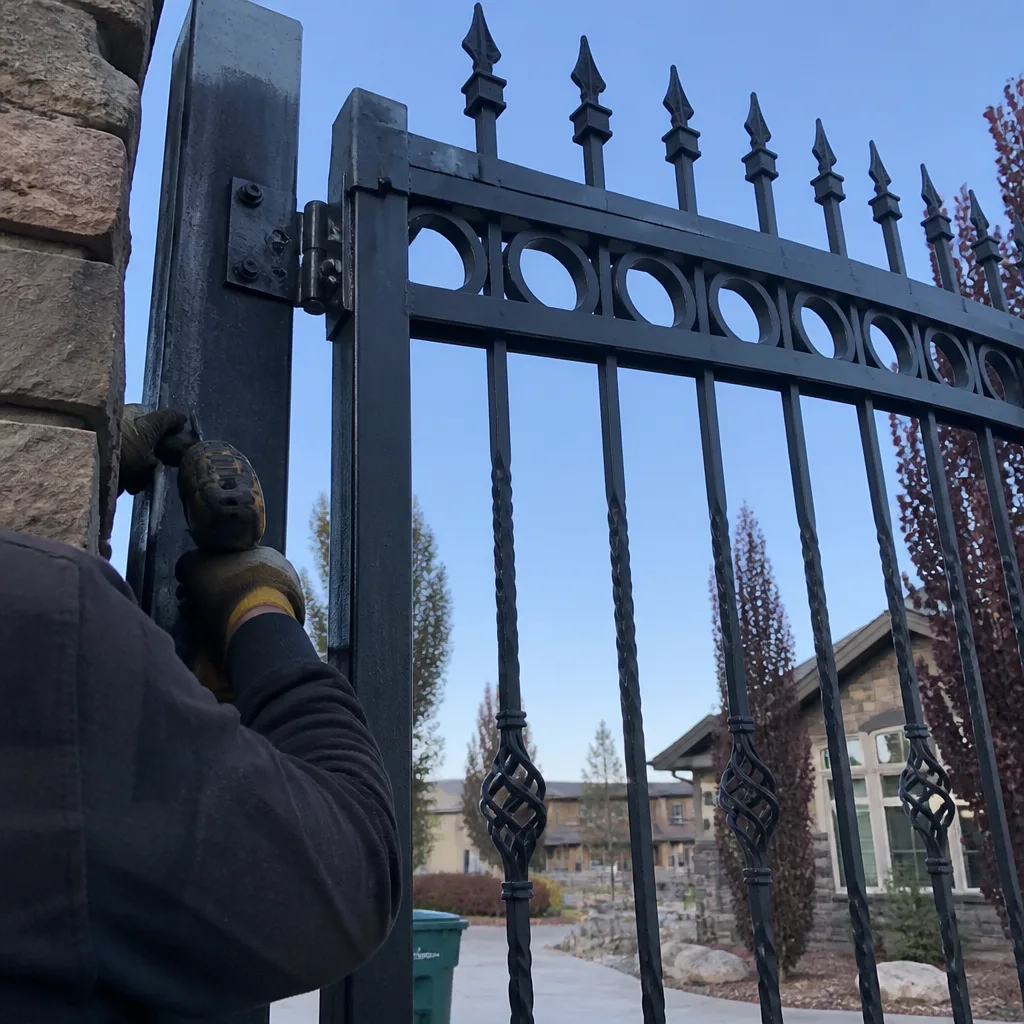
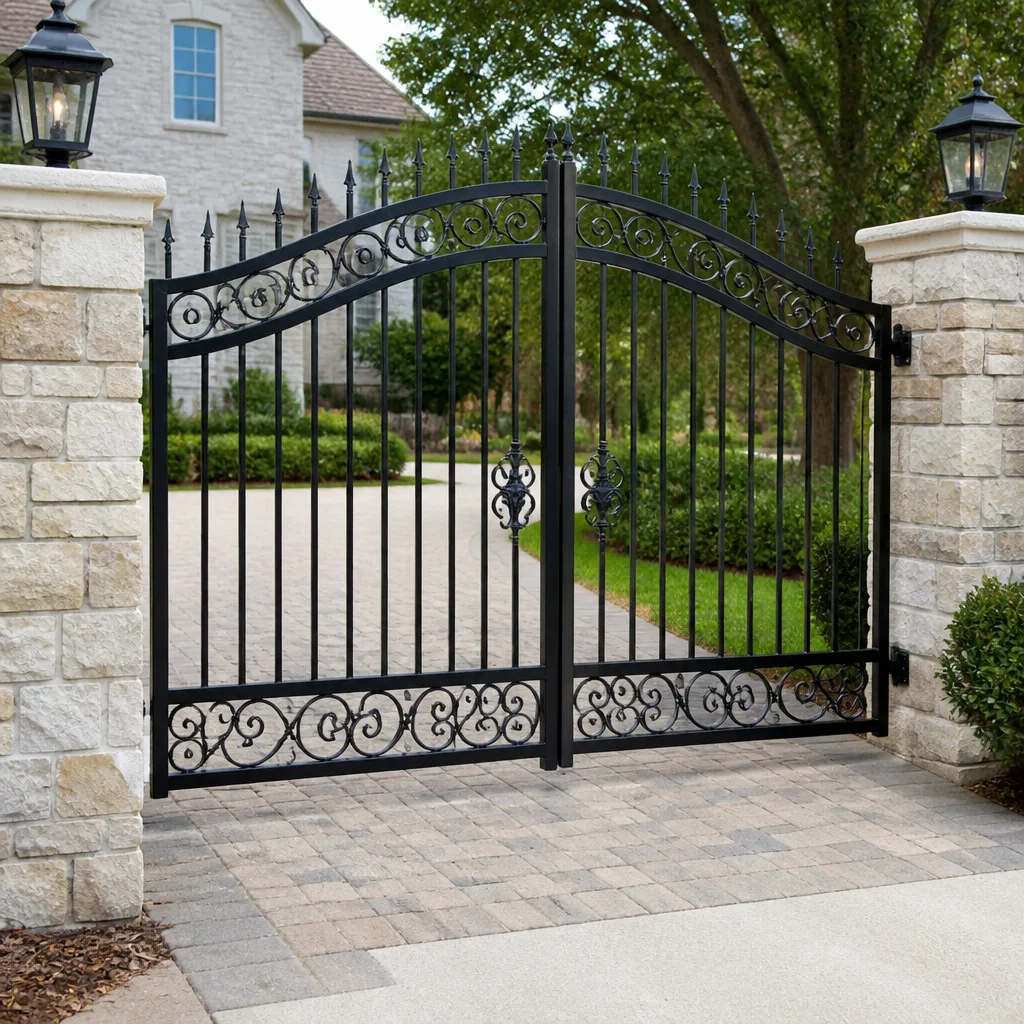 Wrought iron
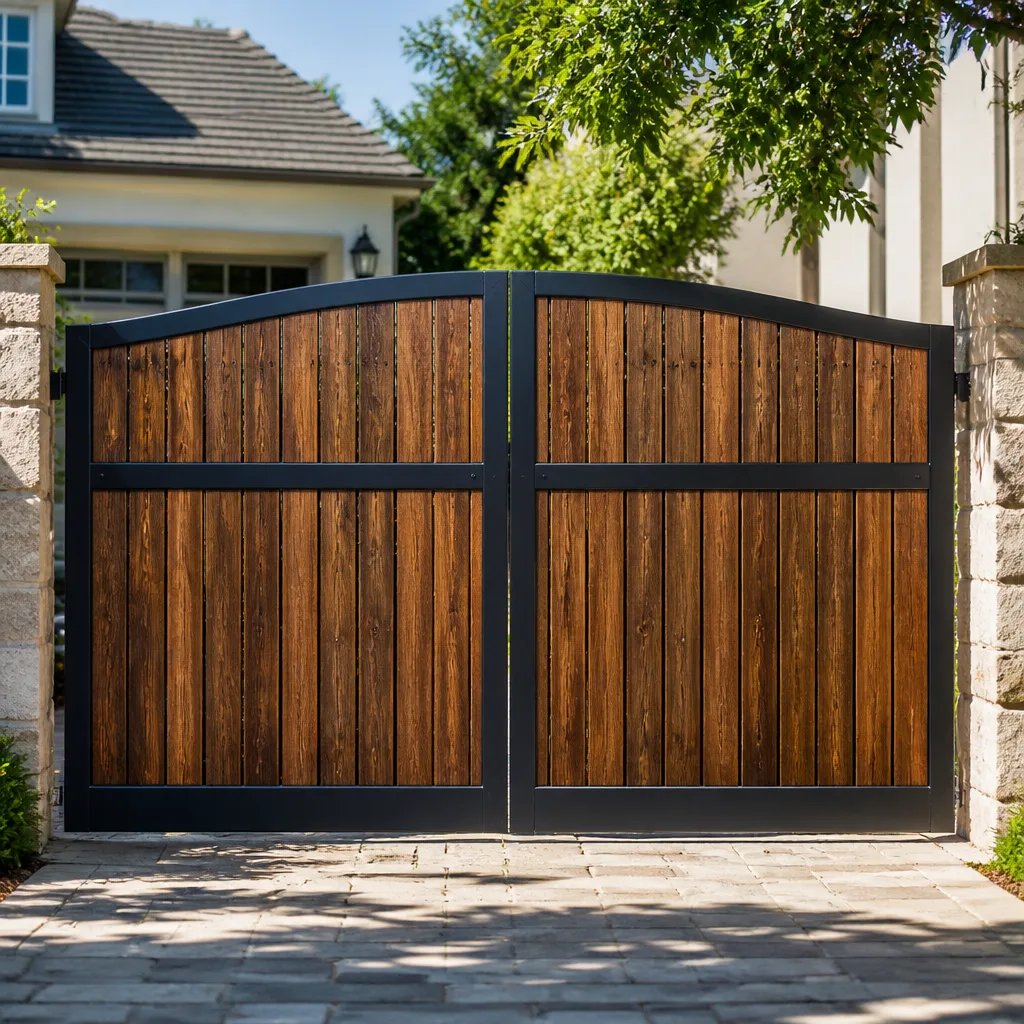 Wood & steel frame
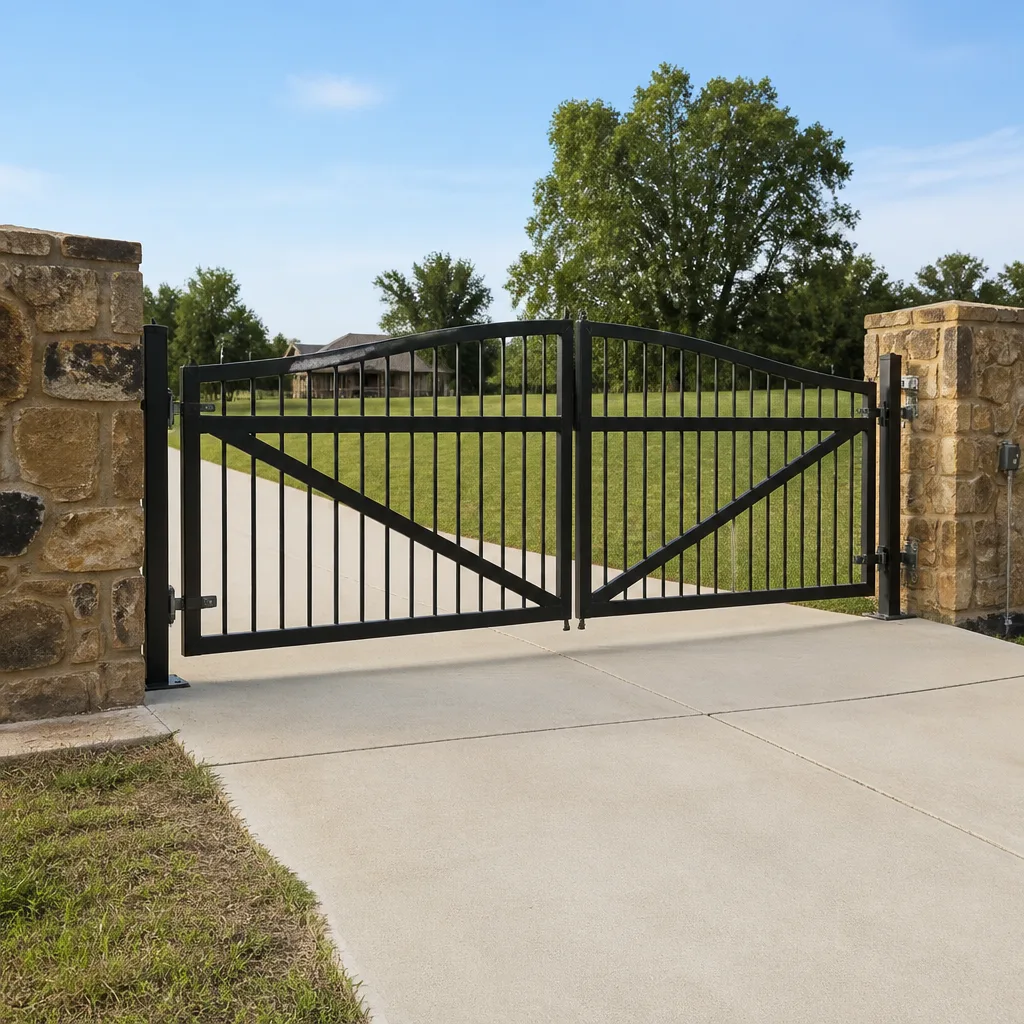 Farm & ranch
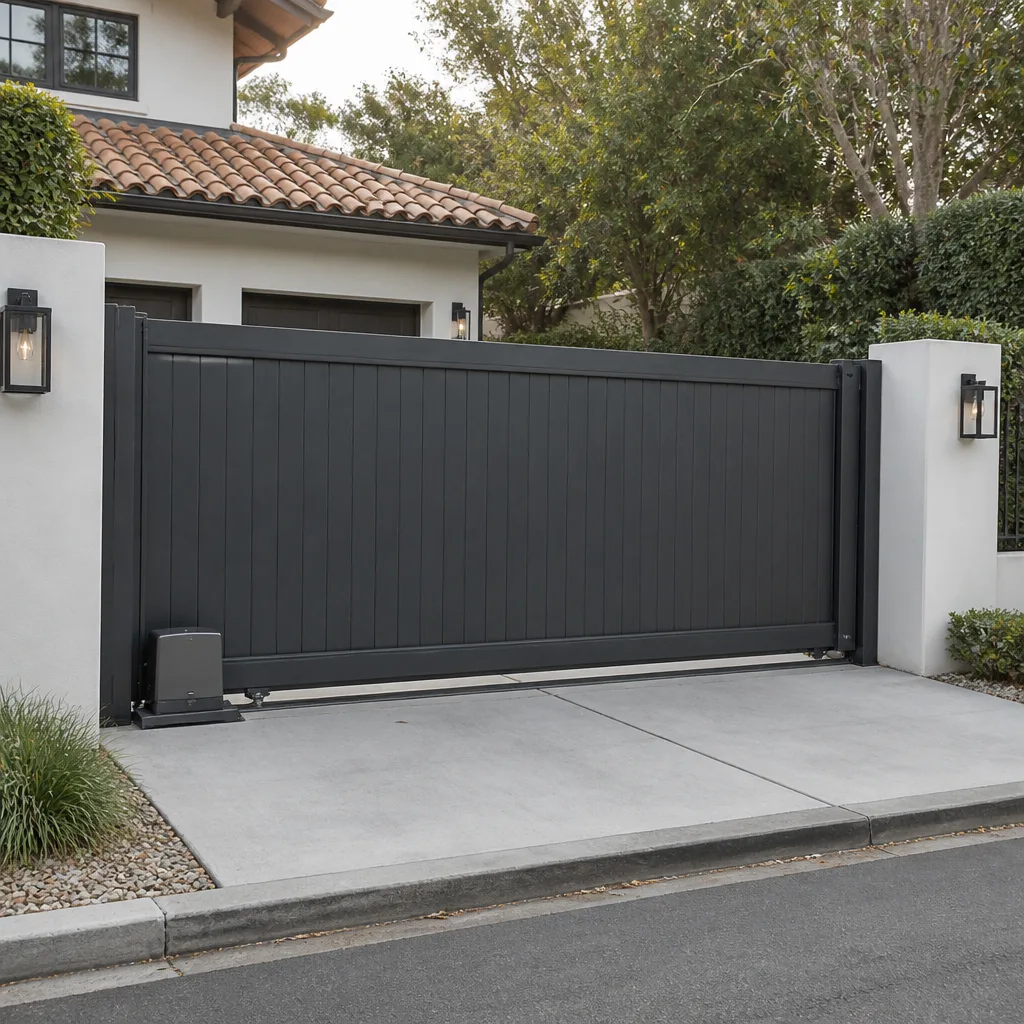 Sliding driveway gates
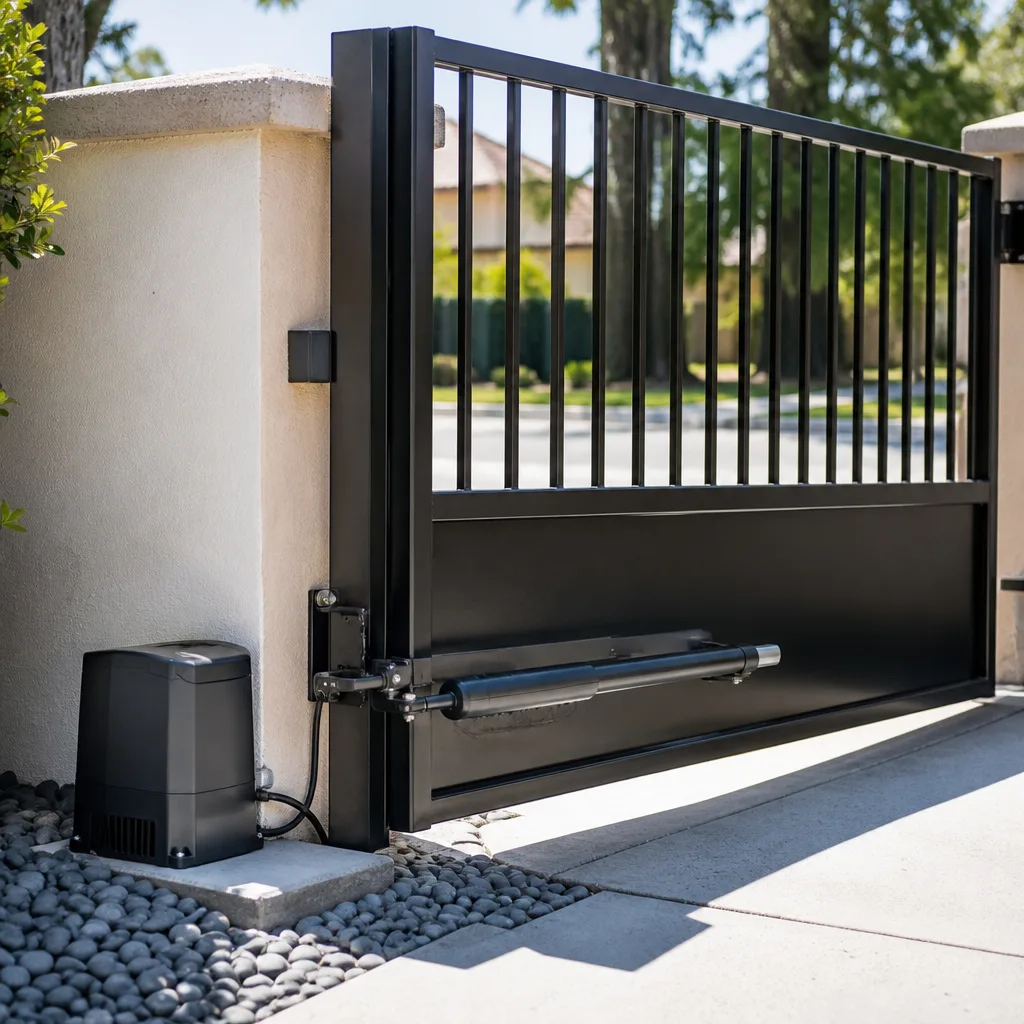 LiftMaster operators
Free on-site gate assessment - hinges, posts, and your LiftMaster or Nice gate operator checked before anything is quoted
The assessment is free and the quote is the invoice.
Get your free estimateDIY vs Professional Gate Repair: The Aurora Homeowner’s Decision Guide
Most gate repair advice online frames the DIY-or-pro question as a skill test: are you handy enough? That’s the wrong question. The real dividing line for an automated gate is whether the repair touches the safety logic of the system. Adjusting a close-force setting or bypassing an entrapment sensor without a UL 325-compliant setup isn’t a shortcut, it’s a code violation that can leave you exposed if someone gets hurt by the gate. Aurora homeowners who understand exactly where that line falls can confidently handle the mechanical maintenance and know precisely when to stop and call.
This guide walks through what’s genuinely safe to do yourself, what carries real liability when done incorrectly, and how Aurora’s permit and inspection landscape affects the answer. You’ll finish with a decision framework that tells you in under a minute which column your repair belongs in.
Quick Answer
In Aurora, you can safely DIY gate maintenance that doesn’t touch the control system: lubrication, minor alignment, remote battery swaps, and clearing obstructions. Any repair involving limit switches, motor torque, close-force adjustments, or safety sensor wiring is a professional job. Those settings govern how much force a moving gate applies to whatever it hits, and getting them wrong is both a UL 325 compliance problem and a real injury risk. Mechanical upkeep for a manual gate is often a homeowner task. Safety-critical work on an automated system belongs with a technician.
Styles & brands we work with
- Wrought iron
- Wood & steel frame
- Farm & ranch
- Sliding driveway gates
- LiftMaster operators
Table of Contents
- Why the DIY-or-Pro Line Isn’t About Skill
- What Aurora Homeowners Can Safely Do Themselves
- The Hard Line: Repairs That Touch the Safety Logic
- How Aurora’s Permit Rules Affect What You Can Self-Perform
- The Real Cost of a DIY Misdiagnosis
- A 60-Second Decision Framework
- Non-Safety Repairs Where a Pro Still Wins on Cost
- What Aurora’s Climate Does to Your Gate Over Time
Why the DIY-or-Pro Line Isn’t About Skill
People assume a confident tinkerer can handle any gate repair. On a manual swing gate, maybe. On an automated system, the question isn’t whether you can turn a wrench. It’s whether you can verify that the gate will stop, reverse, or refuse to close when something is in its path. That verification is engineering, and it depends on settings that are easy to disturb and hard to confirm without the right equipment.
An automated gate runs on a control board that interprets signals from limit switches, photocells, safety edges, and the operator’s own current sensing. When those signals get miscalibrated, the gate still opens and closes. It just does so with no idea what a human limb feels like. Most of us have stood in a driveway watching a gate sweep shut and never thought about it. That’s exactly the point: the danger is invisible when it’s set correctly and invisible when it isn’t.
Two layers of regulation sit underneath this. UL 325 is the standard that governs entrapment protection for gate operators: the built-in safeguards, the monitored external devices, and the force limits an operator can apply. Local permitting runs alongside it. Here in Aurora, gate operators are powered equipment bolted to posts in the ground, so whether a given change needs a permit depends on what’s being altered. Replacing an operator with a different unit or running new electrical supply typically means a conversation with the city. Swapping a remote battery does not.
This is why we’ve built Aurora Gate Repair around gate work specifically. It’s also why we think homeowners deserve a clear map of which repairs are theirs to own and which ones deserve a call.
What Aurora Homeowners Can Safely Do Themselves
A surprising amount of gate upkeep is genuinely owner territory. Here’s the short list of jobs you can do without touching the safety logic:
- Lubrication. Hinges, pivot points, rollers, and slide-gate tracks benefit from periodic lubrication. A dry gate gets stiff, and stiff gates strain the operator. Keep the moving metal moving freely.
- Minor alignment. A gate that sags a few degrees or drags slightly can often be adjusted at the hinge or the latch without going near the control board. Small changes only; anything that requires re-mounting the gate to the post usually needs a pro.
- Remote battery replacement. A dead keypad or a remote that suddenly stops working is frequently just a battery. Pop the cover, match the cell, test from a few feet away.
- Obstruction clearing. Leaves, grit, snow-pile push-back, and debris in the track cause intermittent faults. Clearing them often fixes the “gate is acting weird” complaint outright.
- Visual inspection. Every few months, look along the gate’s travel path. Check the hinges, posts, and visible wiring for wear, looseness, or moisture. Catching a small problem early is the single most reliable way to keep repair costs down.
None of this is a substitute for the technician’s annual drive test, which exercises the reverse-on-contact and obstruction-sensing behavior. But it does mean most gates can stay healthy between professional visits with a little attention from the person who uses them every day.
The Hard Line: Repairs That Touch the Safety Logic
Now the other column. Anything that changes how the operator senses, limits, or applies force is professional territory. Not because the parts are exotic, but because a wrong setting is undetectable by the person setting it.
The repairs that belong here:
- Limit switch replacement or adjustment. Limit switches tell the operator where the gate’s fully open and fully closed positions are. A limit that’s off by a few degrees means the gate pushes past its stop or reverses in the wrong place.
- Close-force and torque adjustment. This is the setting that determines how hard the gate pushes on an object in its path. Too high, and the gate can crush; too low, and it stalls constantly. There’s a correct value and it depends on the specific operator, gate weight, and grade.
- Photocell replacement or wiring. The beam across the driveway is a monitored safety device. If it goes out of alignment or the wiring is disturbed, the operator may not know. Modern operators have a self-test that flags this, but only if the beam is correctly wired to begin with.
- Safety edge repair. The pressure-sensitive strip on the leading edge of a gate is another UL 325 component. Replacing or re-wiring one requires knowing which input on the board it lands on.
- Control board replacement. Boards are commonly replaced unnecessarily. When a board is due, it needs to be programmed to the correct limits, force settings, and sensor configuration.
- Operator replacement. A new operator is a new calibration exercise. A LiftMaster unit in a residential driveway and a FAAC or BFT commercial-grade arm have different programming procedures and different safety devices to be configured.
If a repair on your list touches one of these, the smart move is to stop. The savings from DIY aren’t real when the consequence is a gate that doesn’t reverse on contact and a homeowner’s policy that won’t cover an injury the gate causes. Adjusting close-force or bypassing a sensor without proper UL 325 entrapment protection voids most homeowners’ policies if something does go wrong. That’s the part the online tutorials leave out.
How Aurora’s Permit Rules Affect What You Can Self-Perform
Permits guide the answer here more than most people realize. The city’s building department sets the rules, so the safest move before any significant repair is to check with them directly. But some patterns hold.
Generally: work that keeps the existing operator and replaces a wear part (a hinge, a motor capacitor, a battery) is not usually permit territory. Work that changes the electrical supply to the operator, changes the operator to a different model, or changes the gate’s structural mounting almost always is. If someone is running new conduit out to the operator box, that’s electrical work, and Aurora expects that to be done and inspected properly.
For homeowners, the practical takeaway is this: if your repair doesn’t require a permit, it also probably doesn’t require a licensed contractor, though it may still be a bad idea to do without experience. If your repair does require a permit, you’re now in the professional column whether you planned to be or not. That’s the permit system doing what it’s for: flagging the jobs where an inspection needs eyes on the result.
When we quote an electric gate repair in Aurora, one of the first things we confirm is whether the fix touches permitted electrical or structural work. It changes the scope, the sequence, and whether an inspection follows.
The Real Cost of a DIY Misdiagnosis
The most common DIY expense isn’t the money spent on the repair. It’s the money spent on the wrong parts. Gate faults love to travel upstream. A gate that won’t close might feel like a bad motor but turn out to be a misaligned photocell. A gate that reverses at random might seem to need limit switches but actually be a control board receiving a false safety signal from a loose edge wire.
The pattern we see most:
- A homeowner replaces the motor capacitor. The gate still stumbles. Now they suspect the motor itself.
- They replace the operator. The gate still stumbles. The real fault was a dirty limit switch or a slipping drive chain.
- They replace the control board. Now the old operator was fine and the new board needs programming, and the diagnosis has to start over.
Each replacement is a real charge. The pattern happens because the symptoms all look similar from the outside. A gate that hesitates, reverses, or refuses to close is telling you “something in the control loop is off,” and there are half a dozen possible culprits. A technician’s first task isn’t to sell you a part, it’s to test the loop in the right order.
We’ve seen this most often with budget-friendly operators like the Linear and Mighty Mule units many Aurora homeowners installed themselves years ago. Those systems are simple and reliable when they’re healthy, but they have fewer self-diagnostics, which means the fault isolation is on the person diagnosing. That’s exactly where a gate specialist earns the fee.
A 60-Second Decision Framework
Here’s the fast test. Ask these three questions in order and stop at the first yes:
- Does the repair touch the control board, limit switches, force settings, photocells, safety edges, or operator wiring? If yes, it’s a pro job. No exceptions worth taking.
- Would the repair require a permit or new electrical work in Aurora? If yes, a professional does the work; even if you could technically handle the mechanical part, the inspection expects proper installation.
- Is the fault intermittent, or does it only show up under load? If yes, it’s a diagnosis problem, not a parts-swap problem. A specialist will find the actual cause faster and cheaper than you will by trial and error.
If all three answers are no, you’re likely in the DIY column. Lubricate, align a hinge, swap a remote battery, clear the track, inspect visually. None of those touch the safety logic, and none of them will put you or your gate at risk.
One more qualifier: Do you know your gate’s operator brand? It matters. A LiftMaster residential arm is a different animal from a FAAC or BFT commercial unit. If you don’t know what’s on your gate, that’s a signal you’re not ready to diagnose it.
Non-Safety Repairs Where a Pro Still Wins on Cost
Some repairs don’t touch the safety logic but still belong with a trained technician, because the DIY math doesn’t work out. A misaligned slide gate, a sagging swing gate whose post has shifted, a roller set that needs replacing: none of these end up in the UL 325 column, but all of them involve the gate’s weight and mounting.
A heavy gate panel is a load you don’t want to be supporting with your shoulder while you line up a hinge. Slide gates that have come off the track are especially awkward, and homeowners commonly injure themselves trying to lift them back into place. On a heavier gate, or on a gate with an operator holding tension on the chain, the pro call is about personal safety, not code compliance.
There’s also the parts side. A specialist knows the exact bearing, roller, or hinge that fits your gate, and typically has the right one on hand or can get it quickly. The DIY version of the same repair usually involves two trips to a hardware store and one “close enough” part that fails within a season. We work on both powered and non-powered gates precisely because these repairs matter to both, and we’d rather fix the actual problem once than watch a homeowner re-fix it twice.
If you’re not sure which side of the line your repair is on, that’s the moment to get a free estimate. You’ll know the answer, and if the repair is genuinely a homeowner job, we’ll tell you.
What Aurora’s Climate Does to Your Gate Over Time
Aurora sits at the western edge of the high plains, and the climate here works on gates in specific ways. The freeze-thaw cycle is the big one. Ground movement and thermal cycling are hard on posts, and a post that shifts even slightly throws the gate’s alignment and forces the operator to push harder against drag it shouldn’t have.
The other factor is dry air and blowing grit. Ice-melt residue, road dust, and yard grit work into hinges and tracks and turn smooth pivots into grinding ones. The operators don’t fail because they’re weak. They fail because the gate got hard to move and the operator had to compensate.
This is why the “lubricate, inspect, clear the track” side of the DIY list matters so much here. It’s not glamorous, but consistent upkeep genuinely extends the life of the whole system. And the wear patterns we see on gates around Aurora tell us which repairs people habitually defer: hinge lubrication, post alignment, and track clearing. Each of those is a five-minute task. The repair that follows from skipping them is not.
When we’re servicing a gate in Aurora, we look at the mounting and the track before we look at the electronics, because a healthy gate makes every electrical diagnosis cleaner. It’s part of how gate specialists work: gate repair here is as much about the mechanical foundation as it is about the operator.
Common Mistakes to Avoid
- Adjusting the close-force setting as a “quick fix.” A gate that won’t close often has a hard-to-see obstruction or a misaligned photocell. Turning up the force to make it close destroys the safety margin. It’s the wrong fix and the wrong liability.
- Bypassing a safety edge or photocell. Disconnecting a safety device to stop the beeping or the annoying reversal is one of the most dangerous things a homeowner can do on an automated gate. If a safety device is failing repeatedly, the system has a real problem worth diagnosing.
- Replacing the operator when the control board is the culprit (or vice versa). This is the most expensive mistake in the guide. Both parts are almost never the fault, and swapping them without testing the loop first doubles the cost of the repair.
- Assuming the builder’s install was code-compliant because it’s new. Builder-grade gates are common in Aurora’s newer subdivisions, and safety device placement is a common weakness. A technician’s first drive test often reveals issues the original install left behind.
- Ignoring a sagging gate until the operator fails. A dragging gate quietly works the operator harder and eventually cooks it. Fixing the hinge is cheap. Fixing the mount and the operator is not.
- Assuming the operator brand is the repair brand. A commercial-grade FAAC or BFT system and a residential Mighty Mule need different parts, different calibration, and sometimes a different technician. Know what’s on your gate before you shop for a part.
- Running new power to a gate operator without a permit. Aurora expects permit and inspection for new electrical supply. Doing without creates a paper-trail problem at resale and often an insurance problem if the gate is ever involved in a claim.
See the difference
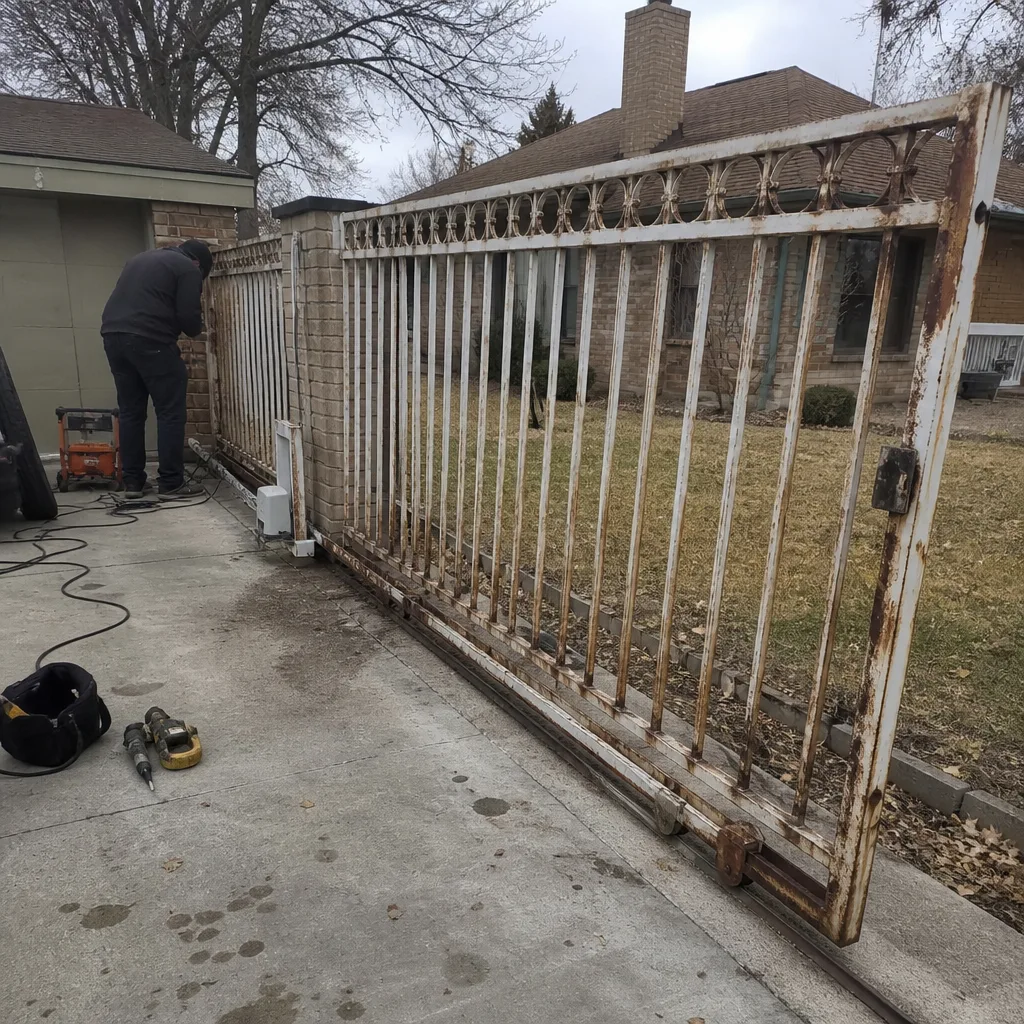 Before
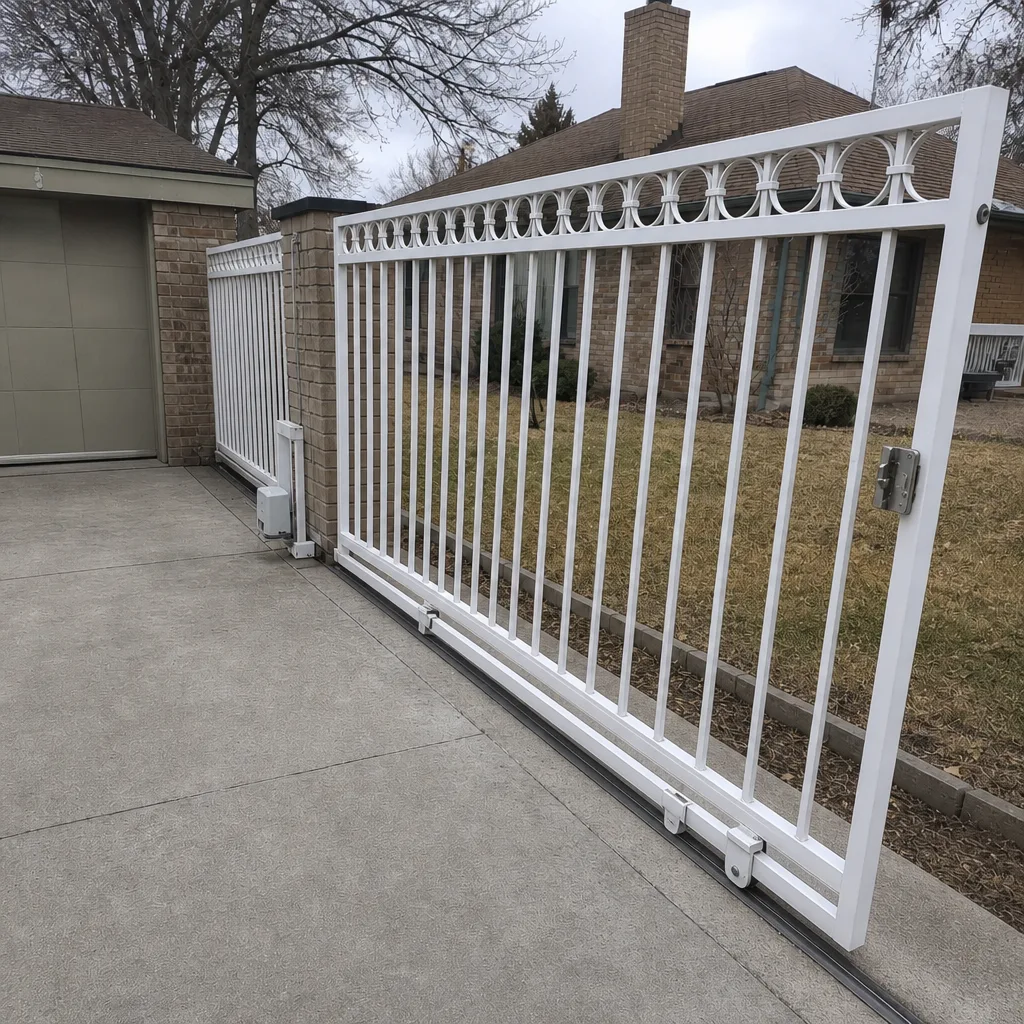 After
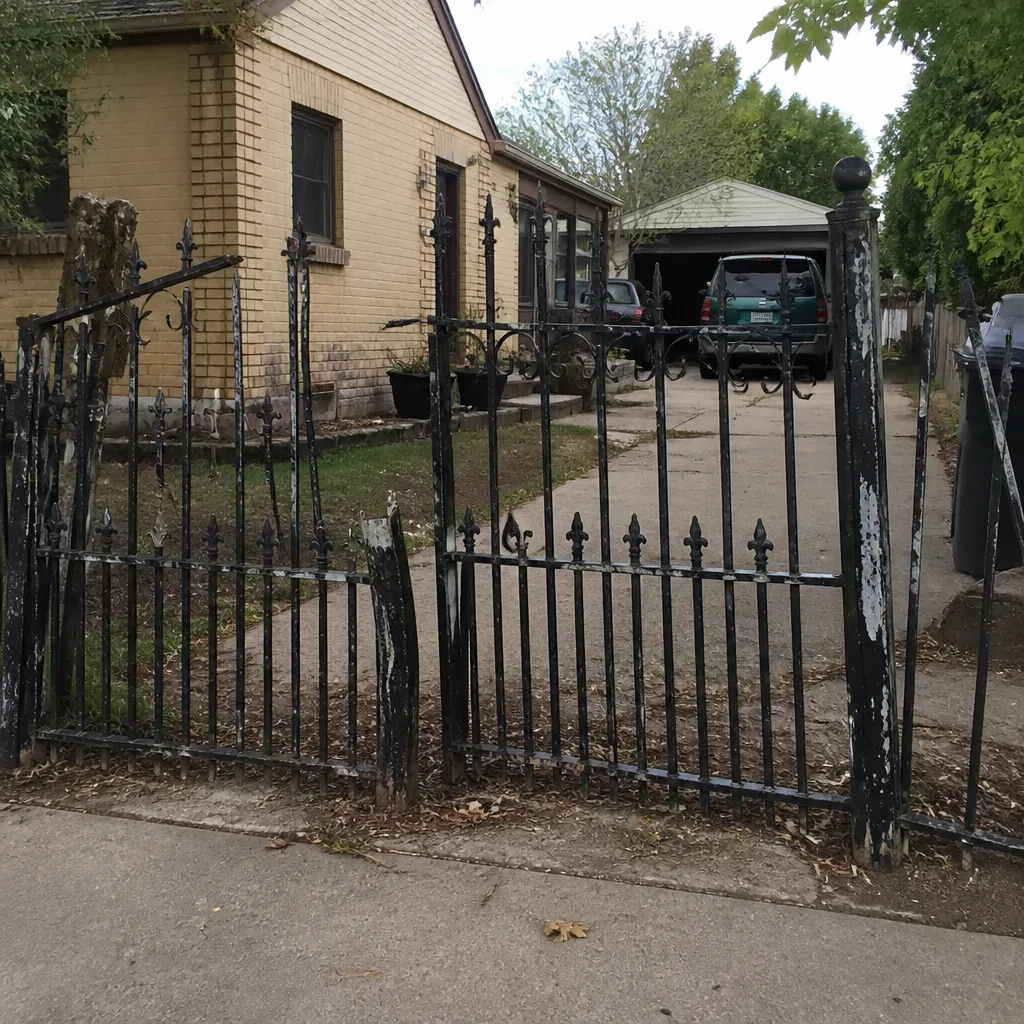 Before
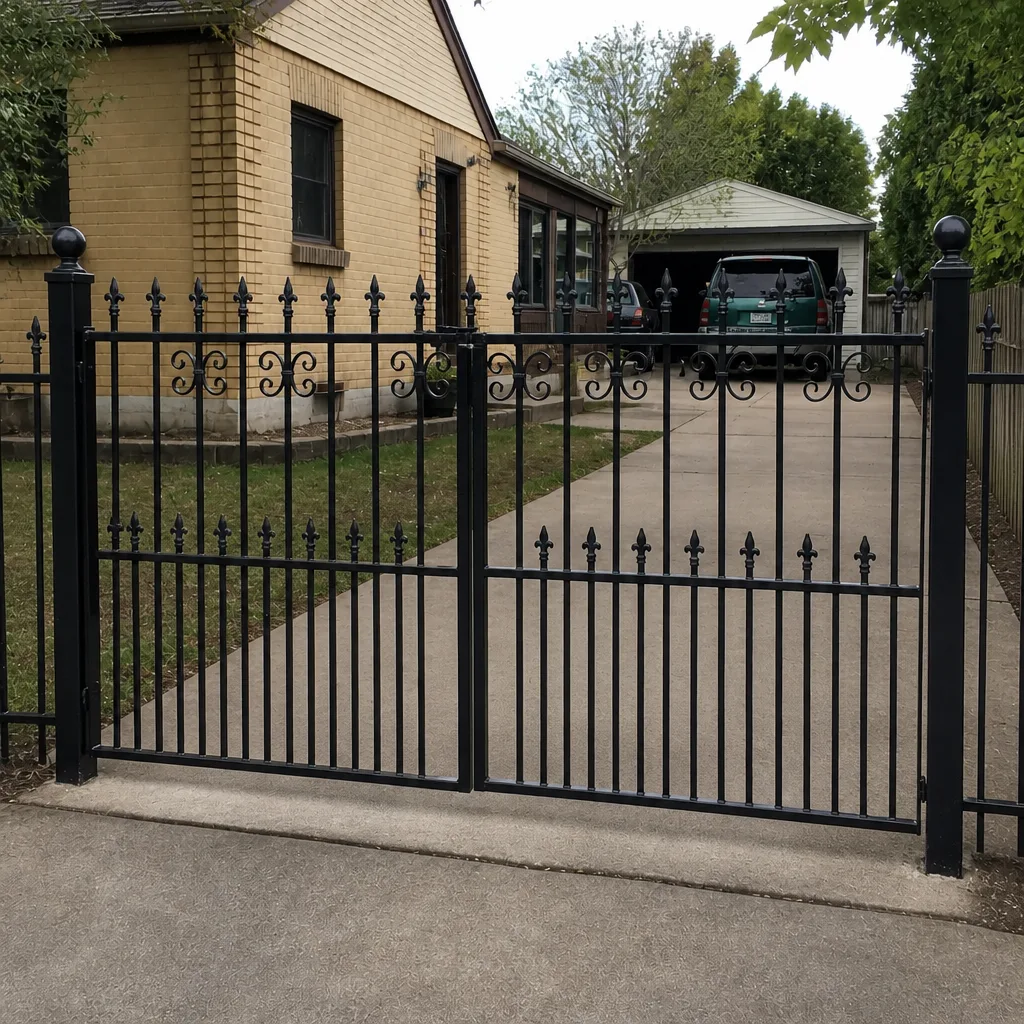 After
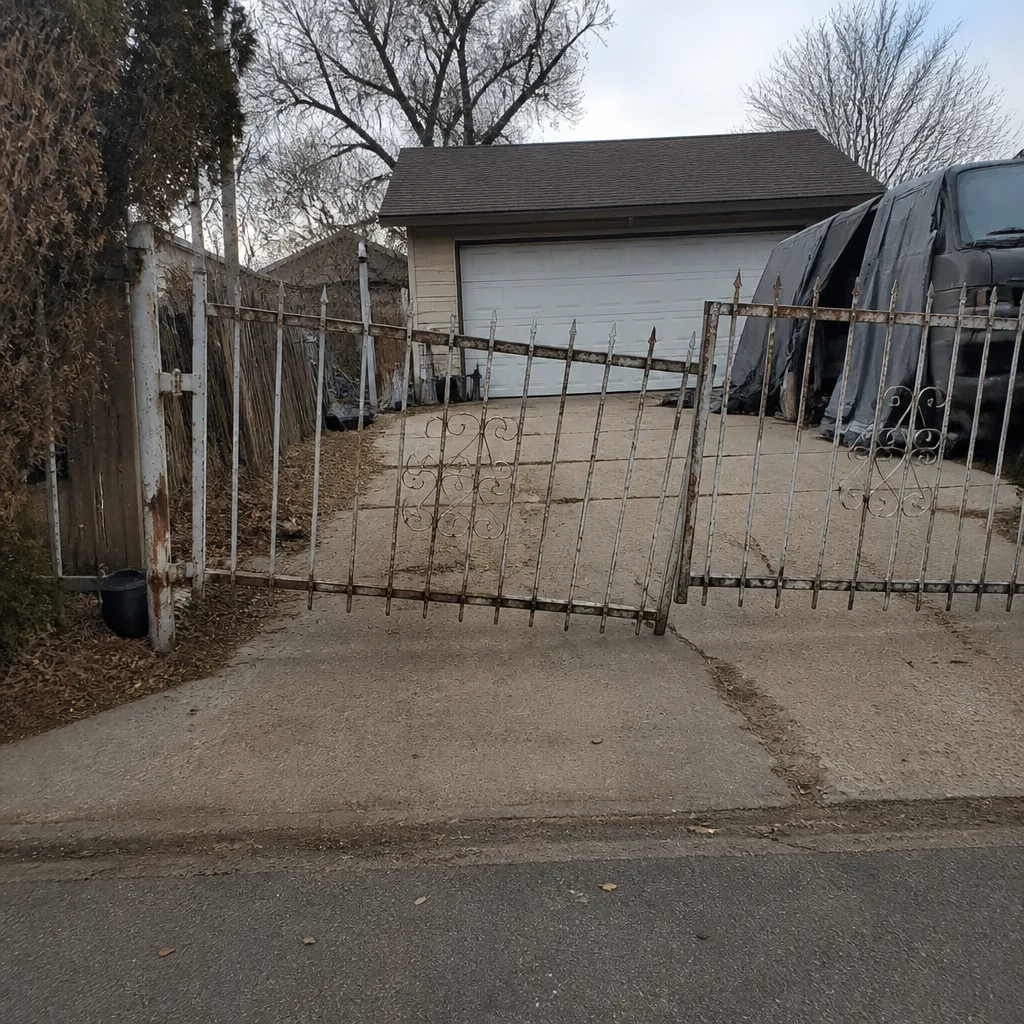 Before
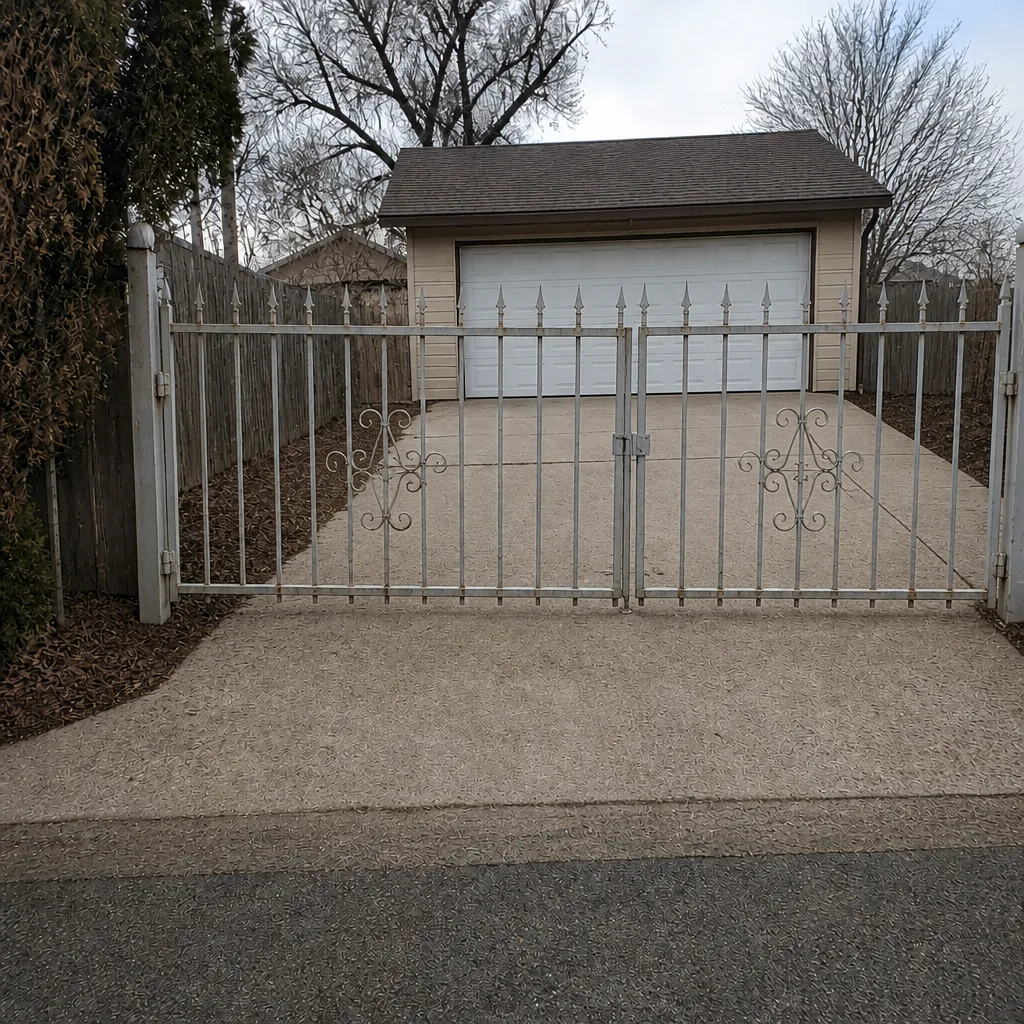 After
When to Call a Professional
Call a professional when the repair touches the control board, limits, force settings, photocells, safety edges, or operator wiring. Call when the gate is heavy enough that a misstep means injury. Call when a permit is involved, when the fault is intermittent, or when you’ve already replaced one part and the symptom didn’t change. Our technicians have up to experience with gate systems of every type, from budget-friendly Mighty Mule and Ghost Controls units to commercial-grade DoorKing, Viking, and Elite operators. We know your brand, we diagnose the loop before we replace a part, and we quote the price before we start.
You can reach us during the week and on Sunday. Call (877) 330-0618. We answer 24/7. Fast dispatch from 7am to 7pm, Sunday through Friday.
Frequently Asked Questions
We don’t recommend it. A gate operator replacement is a full calibration job: limits, force settings, safety device wiring, and the drive test that verifies everything works together. It also usually requires a permit and, depending on the change, new electrical work. The operator also carries UL 325 responsibility for entrapment protection, and getting the force limits wrong is a real injury risk. If your operator is failing, the place to start is a diagnosis, not a replacement. Call (877) 330-0618 for a free estimate; we’ll tell you what’s actually wrong.
No. Close-force adjustment is the most consequential setting on the operator and the one most commonly mis-set by homeowners trying to stop a gate from reversing. A higher force setting makes the gate push harder on whatever it encounters, and there’s no way to verify the result without a proper obstruction test. If your gate is reversing or refusing to close, call us. The free estimate will identify whether the fix is a photocell, a limit switch, a board fault, or something else entirely.
The most common causes are a misaligned photocell, debris in the gate’s travel path, a failing safety edge, or a control board receiving a false safety signal from a loose connection. All four of those are in the professional column. If the gate reverses only when something is in the driveway, that’s the safety system working correctly. If it reverses with nothing present, that’s a fault worth diagnosing properly. Call (877) 330-0618 and we’ll sort it out with a free estimate.
Lubrication, minor hinge alignment, remote battery replacement, and clearing the track and travel path are all homeowner tasks. Do them. They’re the cheapest way to extend your gate’s life and they don’t touch the safety logic. What they don’t replace is the drive test and inspection a technician does on a service visit: exercising the reverse-on-contact behavior, checking the safety devices under actual operation, and confirming the limits are still calibrated. A call once a year is enough for most Aurora gates.
Likely not. If a gate injury happens and the homeowner altered the safety devices, close-force settings, or safety device wiring without proper UL 325 compliance, most policies will decline the claim. The policy question doesn’t ask whether you had permission to do the repair; it asks whether the gate was properly protected against entrapment at the time of the injury. An unmonitored safety device or a miscalibrated force setting is a real exposure. Call (877) 330-0618 for a free estimate and we’ll look at what your system actually has.
Yes. Our approach is to test the control loop in order: limits, photocells, safety edge wiring, control board, then motor. That sequence is how you find the actual fault instead of replacing good parts. It also saves you money, since the most expensive repair is the one that doesn’t fix the symptom. When we quote the repair, the price is agreed before any work starts and the written estimate sets the final number.
The Bottom Line
The DIY-or-pro question for gate repair is a safety question, not a skill question. In Aurora, you can safely handle lubrication, small alignment, remote batteries, and obstruction clearing. Anything that touches the control loop (limits, torque, close-force, photocells, safety edges, wiring, operator replacement) belongs with a technician who knows your brand, understands UL 325, and can verify the safety behavior on the spot. Skip the parts-swapping gamble. Get a diagnosis, get an agreed price, and get the gate back to a state where it stops for what it’s supposed to stop for. Call (877) 330-0618 for a free estimate. We answer 24/7. Fast dispatch from 7am to 7pm, Sunday through Friday. For gate service in Aurora, the team at Aurora Gate Repair is here.
Written by the team at Aurora Gate Repair.