
Last updated November 15, 2026
 Wrought iron
 Wood & steel frame
 Farm & ranch
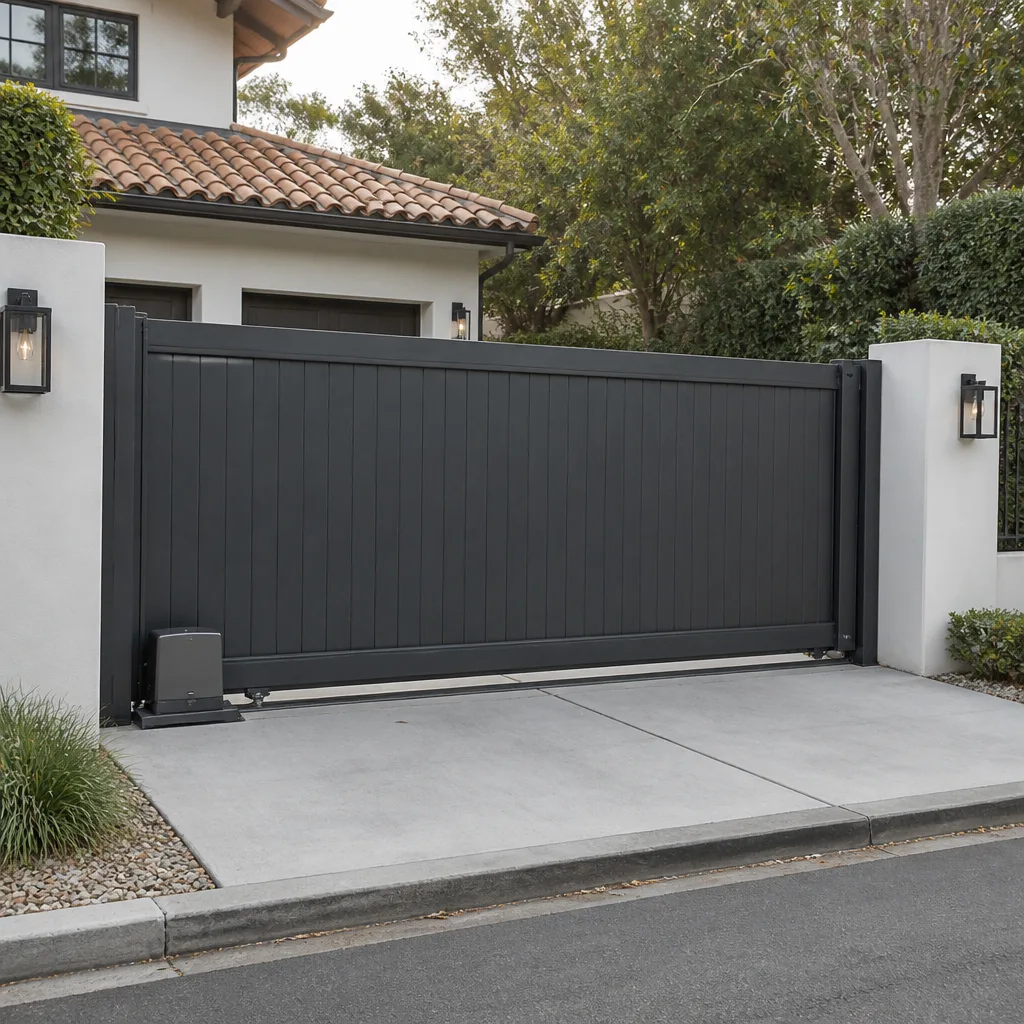 Sliding driveway gates
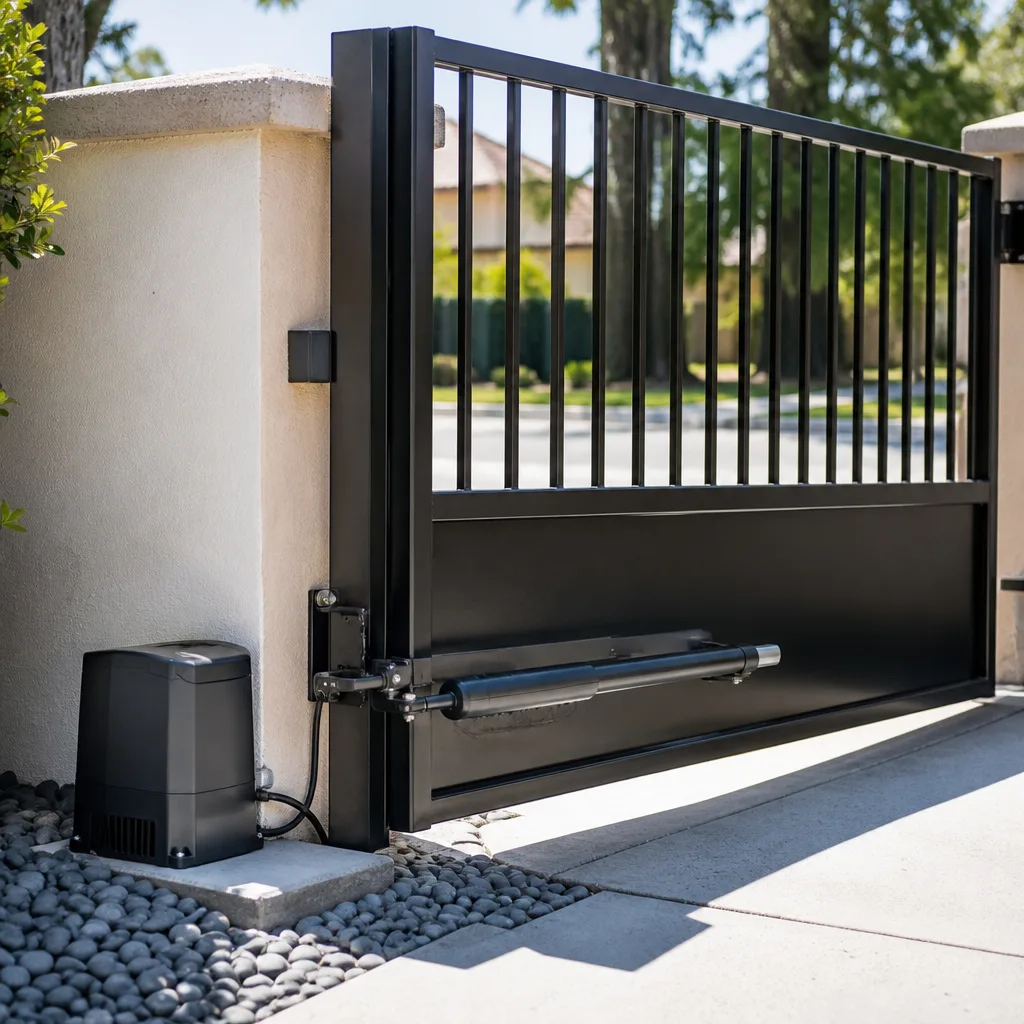 LiftMaster operators
Free on-site gate assessment - hinges, posts, and your LiftMaster or Nice gate operator checked before anything is quoted
The assessment is free and the quote is the invoice.
Get your free estimateGate Repair Maintenance Checklist for Aurora Homeowners
Here’s the counterintuitive part: most gate failures we diagnose along the Front Range aren’t caused by mechanical wear. They’re caused by condensation cycling inside unsealed motor housings, where a 70°F afternoon collapses to a 20°F night and moisture builds up in the one place nobody looks. A standard “lubricate and test” visit never touches it. Aurora’s altitude, alkaline soil, and hard temperature swings punish gates in ways a generic checklist written for a mild climate simply doesn’t anticipate. This guide gives Aurora homeowners the exact inspection points and intervals that prevent the three most expensive gate failures in the region, so your system holds up through every season.
Quick Answer
A proper gate maintenance checklist for Aurora homeowners covers four things most schedules skip: lubricating the operator by drive type (chain, rack-and-pinion, or screw) with the right grade for Colorado temperature swings, resealing motor housing gaskets before winter, re-tuning ground loop detectors each spring after frost heave, and load-testing backup batteries under real current draw instead of trusting a voltage reading. Do these alongside the usual hinge, roller, and photo eye checks, and you prevent the failures that cost the most to fix.
Styles & brands we work with
- Wrought iron
- Wood & steel frame
- Farm & ranch
- Sliding driveway gates
- LiftMaster operators
Table of Contents
- Why Condensation Cycling Is Aurora’s Hidden Gate Killer
- Lubrication Specs by Operator Type for Colorado Temperature Swings
- Inspecting and Resealing Motor Housing Gaskets Before Winter
- Ground Loop Detector Drift After Frost Heave
- Battery Backup Load Testing: Why “Good” Voltage Lies
- Photo Eye Alignment Tolerance by Sensor Brand
- The Aurora Seasonal Calendar: What to Check and When
- What You Can Check Yourself vs. What Needs a Specialist
Why Condensation Cycling Is Aurora’s Hidden Gate Killer
Altitude and dry air get the credit for preserving things in Colorado. In practice, the daily swing does more damage than the dryness prevents. A sealed motor housing warms through the afternoon, then cools fast after sunset. Every degree of drop pulls moisture-laden air toward the housing’s cooler interior surfaces through any gap in the gasket. That moisture condenses on the control board and the motor windings, and it repeats day after day, week after week, through fall and spring.
The result is corrosion you can’t see from the driveway. Control boards short. Bearings pit. Windings fail. By the time the gate stops responding, the damage has been building for months, and it’s the kind of gate repair that could have been avoided with a ten-minute gasket check. This is why our gate-only focus matters here: technicians who work on gate operators every day learn to look for the water line inside a housing, not just a dead motor.
What makes it worse in Aurora is the alkaline soil. Buried conduit carrying low-voltage control wiring sits in soil that stays slightly caustic, and any nick in the conduit jacket lets moisture and minerals reach the wire. When that wiring runs to an automated system, the symptoms show up as erratic behavior that looks electrical but isn’t. Getting electric gate repair right the first time means tracing that whole path, from the operator to the buried run, rather than replacing a board and hoping.
If you own a gate in Aurora, add these to your inspections:
- Look for water staining or a chalky white film on the inside of the housing cover.
- Check the gasket for flattening, cracks, or gaps where it meets the housing.
- Confirm the conduit seals at the operator end are intact, not cracked or pulled loose.
- Note any erratic open or close behavior that appears after a cold, damp night.
Lubrication Specs by Operator Type for Colorado Temperature Swings
Generic “lubricate the gate” advice ignores the fact that three common drive types need three different lubricants, and the wrong one can cause a slow gate or a seized one. Colorado’s temperature range makes this worse: an oil that flows at 70°F can thicken to paste at 20°F. Here’s how we break it down by drive type.
Chain-Drive Operators
Chain oper allator drives need a chain lubricant that stays on the links without attracting grit. A tacky chain-and-cable lube works, but in Aurora’s dust you want one that sets rather than stays wet. Spray lightly along the length of the chain, wipe off excess, and never grease a chain so heavily that it collects a grinding paste of dust and dirt. Check tension too; a loose chain slaps and wears its sprocket.
Rack-and-Pinion Operators
Slide gates with a rack-and-pinion drive call for a dry-film or PTFE-based lubricant on the rack teeth, not heavy grease. Grease traps grit that wears the pinion gear fast. White lithium grease works on the pinion gear housing and bushings, but keep the exposed rack clean and lightly coated. Re-apply more often in dusty stretches, and clean the rack with a stiff brush first.
Screw-Drive Operators
Screw-drive openers need a lithium-complex or moly-based grease rated for low temperatures on the screw and its follower nut. This is the drive most often ruined by the wrong grease, because a thick summer grease seizes in a January cold snap and strips the nut. Follow the operator manufacturer’s spec for cold-weather grease and re-grease per their interval, not once a decade.
Hinges, Rollers, and Tracks
On swing gates, lubricate hinges with a low-temperature-rated grease and check that the gate swings freely by hand with the operator disengaged. On slide gates, check rollers and the track for flat spots and alignment. Grease the rollers, but keep the track itself clean and level. A gate that drags is working the motor harder than it should every single cycle.
We know the drive types on the systems we see most, which is why brand familiarity helps. The lubrication schedule on a Mighty Mule residential swing opener differs from a heavy commercial DoorKing slide gate, and skimping on the right baseplate and control board care is what causes Aurora Gate Repair callbacks nobody wants.
Inspecting and Resealing Motor Housing Gaskets Before Winter
The single best thing an Aurora homeowner can do before the first hard freeze is inspect the motor housing gasket. If it’s compromised, everything else you do to the gate matters less, because moisture will keep finding its way in. This is the fix that protects a $600 control board from a $12 piece of rubber.
- Kill power at the breaker before you open the housing. Never work on the inside of an operator with power live.
- Open the housing cover and look at the gasket that seals the lid and the cable entries. Note any flattening, cracks, or gaps.
- Inspect the inside for water staining, rust, or a chalky film. That’s your evidence moisture is getting in.
- Remove the old gasket and clean the mating surface with a dry cloth so no grit keeps it from sealing.
- Install a new gasket of the correct profile for your operator. Don’t substitute weatherstripping; use the spec the manufacturer calls for.
- Reseal the cable entry points with the appropriate gland or sealant so the buried low-voltage run can’t wick moisture up into the housing.
- Close it up, restore power, and run the gate through a full open-close cycle to confirm the limit switches are still set.
Do this before cold nights set in. In a place like Aurora, that means well ahead of the freezing weather, not the morning of the first hard frost. The condensation cycle only punishes a compromised housing once the swing is deep, which is why the fall gasket check is the highest-value hour you’ll spend on the gate all year.
Ground Loop Detector Drift After Frost Heave
Ground loop detectors are the buried inductive loops that tell an automated gate a vehicle is waiting, so it doesn’t close on a car. Over a Colorado winter, the freeze-thaw cycle moves soil. When the ground heaves and settles around a buried loop, the loop’s inductance shifts slightly, and the detector that was tuned in fall drifts out of spec by spring. The symptoms are subtle at first: the gate hesitates, opens when nothing’s there, or refuses to close.
Retuning the loop is a spring job for Aurora. Most detectors have a tuning procedure the installer can run, and the correct sensitivity setting should be re-confirmed each year after the ground has settled. A loop tuned too hot will pick up a neighboring vehicle or a passing truck; tuned too cold, it’ll ignore a small car actually sitting over it. Neither is safe on a driveway.
What to watch for:
- Gate that closes and then re-opens with no vehicle present.
- Gate that stays open because it “sees” a car that isn’t there.
- Loop that responds to a passenger car but not a motorcycle or small trailer.
- Any loop behavior that changed after the winter thaw.
If your system uses a DoorKing access control setup or a similar entry system with a vehicle loop, the retune is part of keeping the whole entry safe, not just the operator. Skip it and the detector may eventually fail to hold a closing gate, which is the outcome every one of these checks exists to prevent.
Battery Backup Load Testing: Why “Good” Voltage Lies
A battery that reads “good” on a voltmeter can still fail the first time the gate needs to move on backup power. The voltage tells you the battery is charged, not that it can push the current the operator draws under a real load. This is the check most standard maintenance visits miss, and the one that leaves homeowners stranded when the power goes out.
The correct test is a load test. Here’s the procedure a specialist follows:
- Confirm the battery is fully charged on the operator’s charger before testing.
- Disconnect the battery from the charger circuit as the manufacturer’s test procedure requires.
- Apply a load that draws close to the operator’s real starting current and hold it for the manufacturer’s test duration.
- Watch the voltage under that load; a battery that sags below spec has failed even if it read fine at rest.
- Reconnect, recharge, and confirm the operator runs a backup cycle correctly.
Batteries age faster in temperature swings, and Aurora’s cold nights accelerate the decline. Treat backup batteries as replaceable at the manufacturer’s interval rather than waiting for them to fail. If your gate stops after a power blip, the backup battery is the first thing to check, and it’s a common part of the electric gate repair we handle.
Photo Eye Alignment Tolerance by Sensor Brand
Photo eyes are the safety sensors that reverse or stop a closing gate when something breaks the beam. When they drift out of alignment, the gate starts behaving erratically: reversing mid-close, refusing to move, or stopping for no visible reason. The tolerance before nuisance reversals begin is tighter than most people assume, and it varies by sensor brand.
In general terms, a photo eye pair needs to be aimed at each other within a few millimeters of alignment, and the beam path must be clear of foliage, snow, and debris. Brand-specific sensor brackets and lenses differ, so the check should follow the manufacturer’s alignment guidance. What matters for Aurora homeowners is this: clean the lenses each season, check that nothing has grown or shifted into the path, and confirm the eyes are still aimed at each other after any wind event or snow load.
Common nuisance-reversal causes:
- Lenses clouded with dust or frost.
- A branch or weed leaning into the beam path.
- A bracket knocked slightly out of aim by wind or a bump.
- Loose low-voltage wiring at the eye connections.
We work with sensors across the range, from budget gates running Mighty Mule or Ghost Controls to commercial entry running Elite or DoorKing, and the alignment logic is the same across brands: a clean, clear, aimed beam. Symptom chasing without checking the eyes first is how a simple alignment fix turns into a replaced board.
The Aurora Seasonal Calendar: What to Check and When
Timing matters as much as the checklist itself. Here’s the calendar we recommend for Aurora gates, organized by season so nothing gets skipped.
Spring (After the Thaw)
- Retune ground loop detectors after frost heave settles the soil.
- Clean and realign photo eyes; clear any winter debris from the beam path.
- Inspect the buried conduit runs and their seals for cracking or intrusion.
- Load-test the backup battery and confirm it runs a full backup cycle.
Summer
- Lubricate the operator according to its drive type (chain, rack-and-pinion, or screw).
- Check and adjust gate swing or slide for binding and misalignment.
- Inspect hinges, rollers, and track; replace worn parts now, before fall.
- Look at the UV wear on gaskets and any exposed wiring jackets.
Fall (Before the First Freeze)
- Inspect and reseal the motor housing gasket: the highest-value check of the year.
- Confirm the battery is healthy going into cold weather.
- Tighten any hardware that worked loose over the summer.
- Clear everything that could hold snow against the gate and eyes.
Winter
- Keep the track, rollers, and eye paths clear of snow and ice.
- Avoid forcing a frozen gate; let the operator rest and clear the obstruction.
- Watch for condensation symptoms: erratic behavior after cold nights.
- Note anything that needs attention for the spring visit.
There’s no Saturday service around here, so plan the fall gasket visit ahead of the freeze rather than waiting for a problem on a day we’re closed. We’re reachable to schedule everything else across the week.
What You Can Check Yourself vs. What Needs a Specialist
Some of this checklist is homeowner work. Some of it will hurt you. Knowing the difference is the safety part of maintenance.
Safe for Homeowners
- Cleaning photo eye lenses and clearing the beam path.
- Visual inspection of the gasket and the inside of the housing cover (power off).
- Listening for grinding, slapping, or straining during a cycle.
- Keeping the track, rollers, and eye paths clear of snow and debris.
- Noting symptoms and timing so a specialist can diagnose faster.
Leave to a Specialist
- Opening the operator housing and touching wiring or the control board.
- Adjusting or retuning ground loop detectors.
- Load-testing batteries on a live system.
- Aligning photo eyes with precision or replacing sensor brackets.
- Any repair on a heavy gate panel that could crush or fall.
The dangerous parts on a gate are the operator’s wiring and power, heavy swing panels, and slide gates that can come off the track. These are not DIY territory. A gate that isn’t working right isn’t just annoying; it’s a liability on your property, and a trained technician is the right call.
Common Mistakes to Avoid
- Greasing a chain or rack with the wrong product. Heavy summer grease thickens in a Colorado cold snap and drags the motor; use a low-temperature-rated lubricant matched to the drive type.
- Skipping the gasket check until the gate fails. By the time a control board shorts from condensation, the gasket should have been replaced months earlier.
- Trusting a voltmeter on a backup battery. A battery can read fine and still fail under a real load; test it properly or plan on replacing it.
- Ignoring photo eye drift after wind or snow. Eyes that are slightly out of aim cause nuisance reversals that look like a bigger problem.
- Never retuning the loop in spring. Frost heave moves the ground under the loop; a detector tuned last fall can be out of spec by spring.
- Forcing a frozen gate. Running an ice-bound gate burns out the motor and can strip a gear; clear the obstruction first.
- Letting minor binding go. A gate that drags or scrapes is working the operator harder every cycle and shortens its life.
See the difference
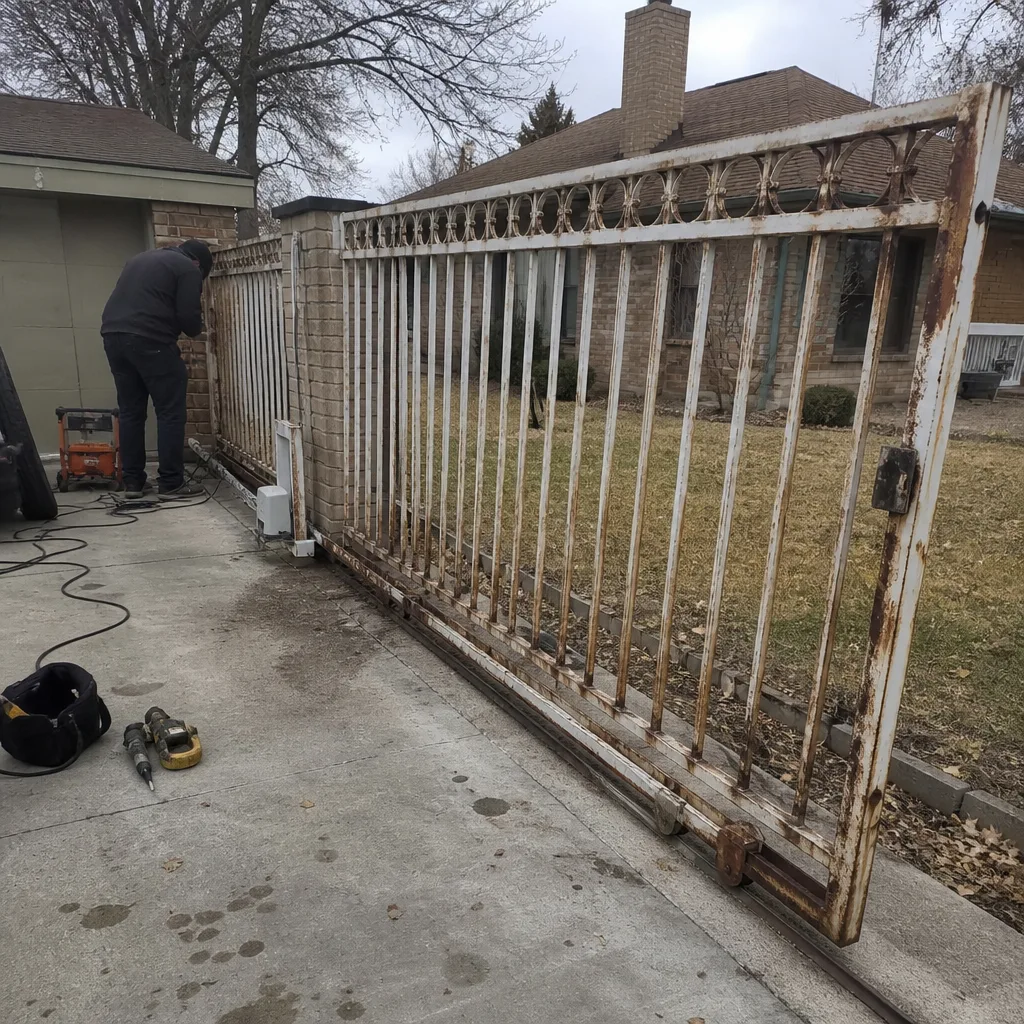 Before
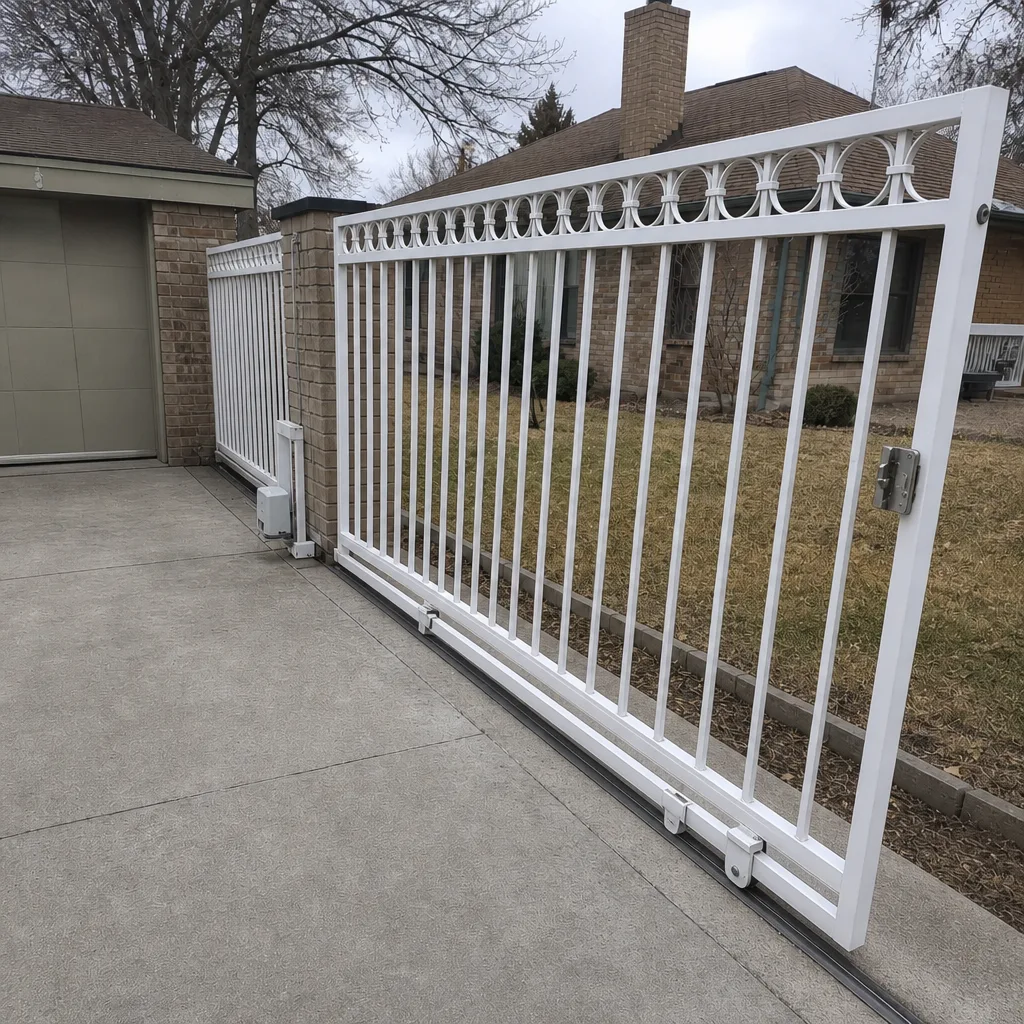 After
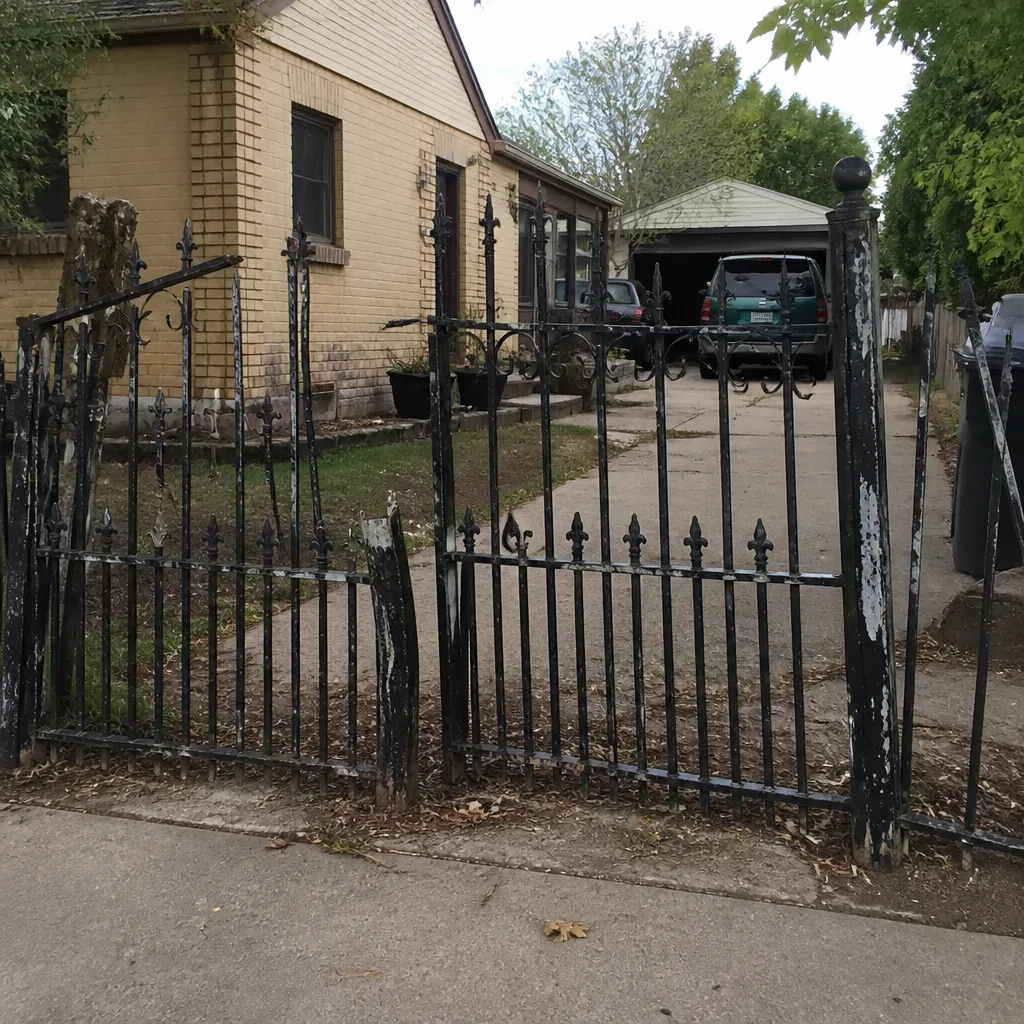 Before
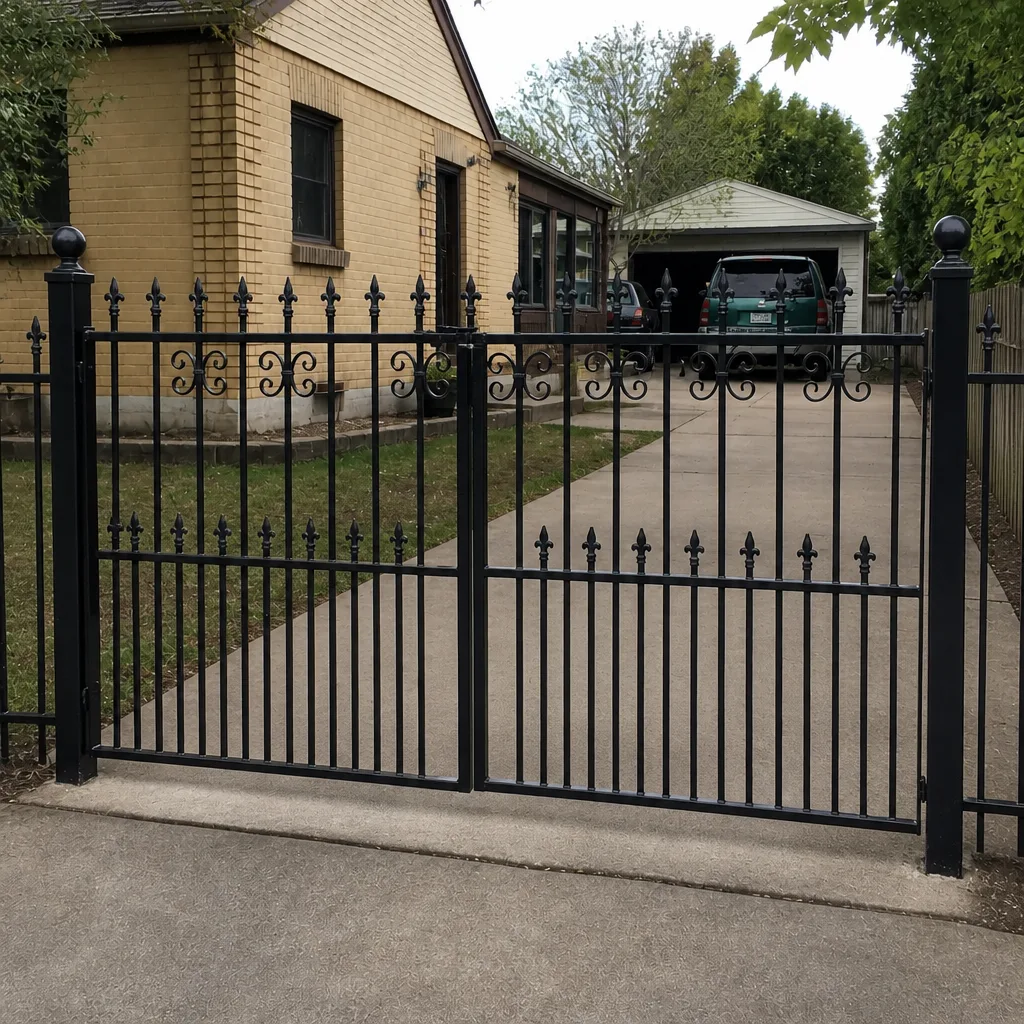 After
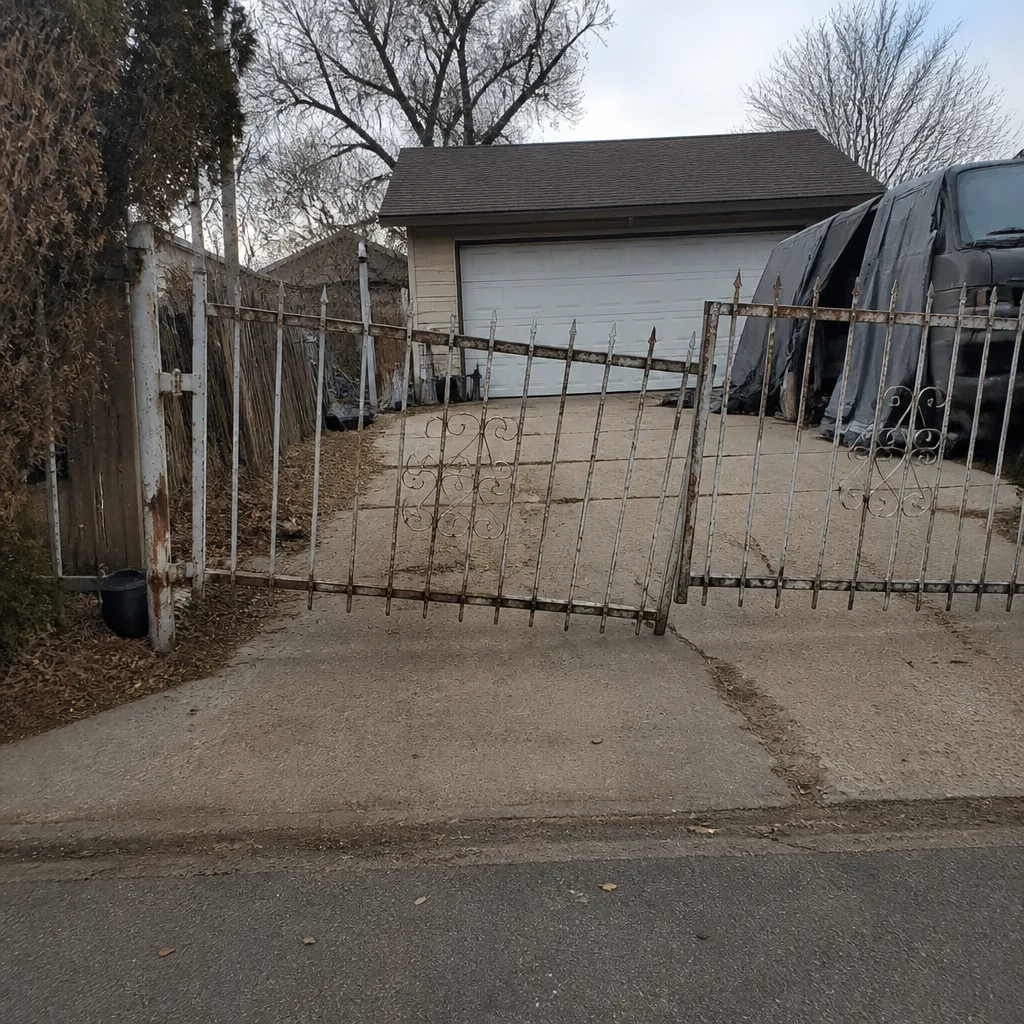 Before
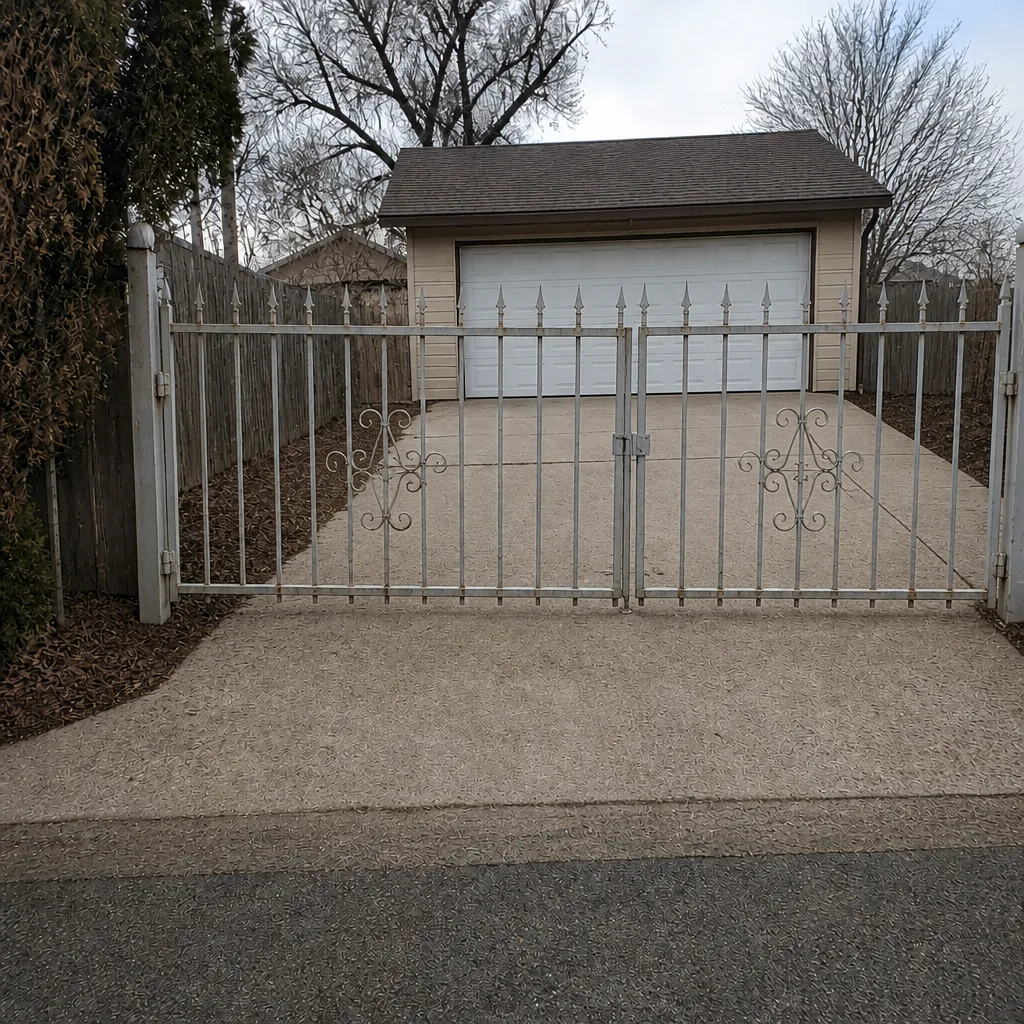 After
When to Call a Professional
Call us when a gate reverses for no reason, when an automated system acts erratically after cold weather, or when you hear grinding, scraping, or a straining motor. Call if the backup doesn’t run a full cycle, if the gate won’t hold a closing position safely, or if you see water inside the motor housing. Call before you replace a control board on a hunch, and before you start any repair on a heavy panel or the operator’s wiring. Some of this work is genuinely dangerous to do yourself, and a technician who works on gates every day will find the real cause faster than a generalist. Aurora Gate Repair offers free estimates in Aurora. Call (877) 330-0618. We answer 24/7, and our technicians have up to experience across the brands you own.
Frequently Asked Questions
Twice a year covers the basics, but the Aurora climate calls for a few extra checks tied to the seasons. Do a spring visit after the thaw to retune loops and realign eyes, and a fall visit before the freeze to reseal the motor housing gasket and confirm the battery is healthy. In between, keep the track, rollers, and eye paths clear. Call (877) 330-0618 for a free estimate on a maintenance visit.
Condensation cycling inside unsealed motor housings causes more failures here than mechanical wear. The daily temperature swing pulls moisture into the housing through a compromised gasket, and it condenses on the control board and windings until something fails. The fix is cheap and early: inspect and reseal the gasket before cold weather each year. If your gate’s acting up, call (877) 330-0618.
We work on a broad range of brands, from entry-level systems like Mighty Mule and Ghost Controls to commercial-grade FAAC, BFT, and DoorKing, plus LiftMaster, Linear, Viking, and Elite. That span means we’re not learning your system on arrival. Tell us your brand when you call, and we’ll tell you what we know. Call (877) 330-0618 for an exact quote, estimates are free.
Frost heave and moisture are the usual suspects in spring. Spring settling can shift a buried ground loop out of spec, and snowmelt or debris can knock a photo eye out of aim. Both cause nuisance reversals that look like a bigger failure. A spring inspection catches the cause before it becomes a repair. Call (877) 330-0618.
Same-day service is often possible when you call earlier in the day, and we dispatch fast from 7am to 7pm, Sunday through Friday. We’re closed Saturday; if your gate fails on a Saturday, call and we’ll book you into Sunday. The price is quoted and agreed before any work starts. Call (877) 330-0618 – estimates are free.
A full installation is measured and scheduled as a project, not a same-day emergency job, and the quote covers the gate, the operator, the power run, and the safety edges confirmed on-site. We give a written, itemized estimate and agree the price before any work begins, so the invoice matches the quote. Call (877) 330-0618 for an exact quote.
The Bottom Line
Aurora’s altitude, alkaline soil, frost heave, and sub-zero nights punish gates in ways a generic maintenance checklist doesn’t anticipate. The three most expensive failures in the region (condensation-damaged control boards, loop detectors thrown out of tune by frost, and backup batteries that fail when needed) are all preventable with a few targeted checks done at the right time of year. Lubricate by drive type, reseal the gasket before the freeze, retune the loop after the thaw, and load-test the battery under real current. Do that, and you’re ahead of most homeowners.
Get Your Gate Checked Before the Season Turns
If you’re in Aurora and not sure where your system stands, we can help. We work on gate repair, electric gate repair, and full gate installation, with free estimates and a written price you agree to before any work starts. Call (877) 330-0618. We answer 24/7, with fast dispatch from 7am to 7pm, Sunday through Friday. We know your brand, we work on gates only, and we diagnose electric gate problems correctly the first time.
Written by the team at Aurora Gate Repair.