
Last updated November 15, 2026
 Wrought iron
 Wood & steel frame
 Farm & ranch
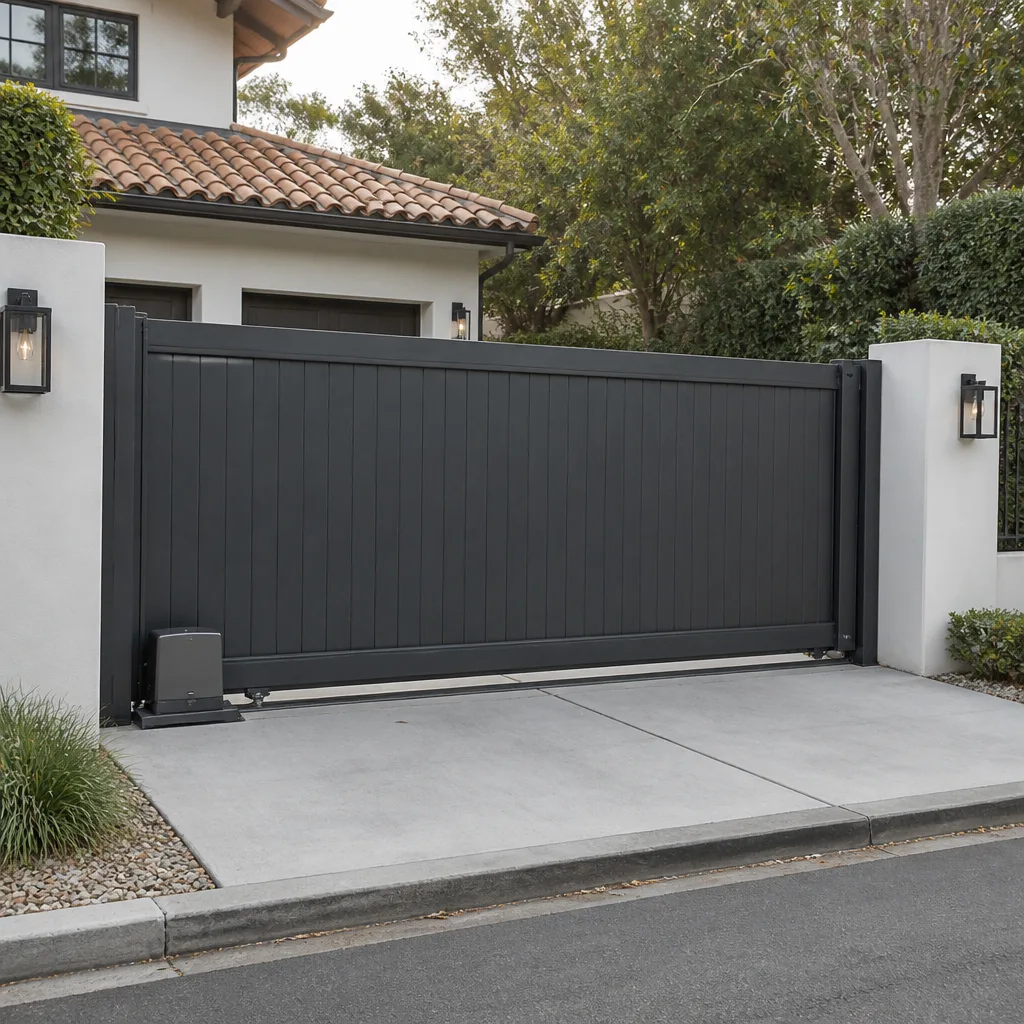 Sliding driveway gates
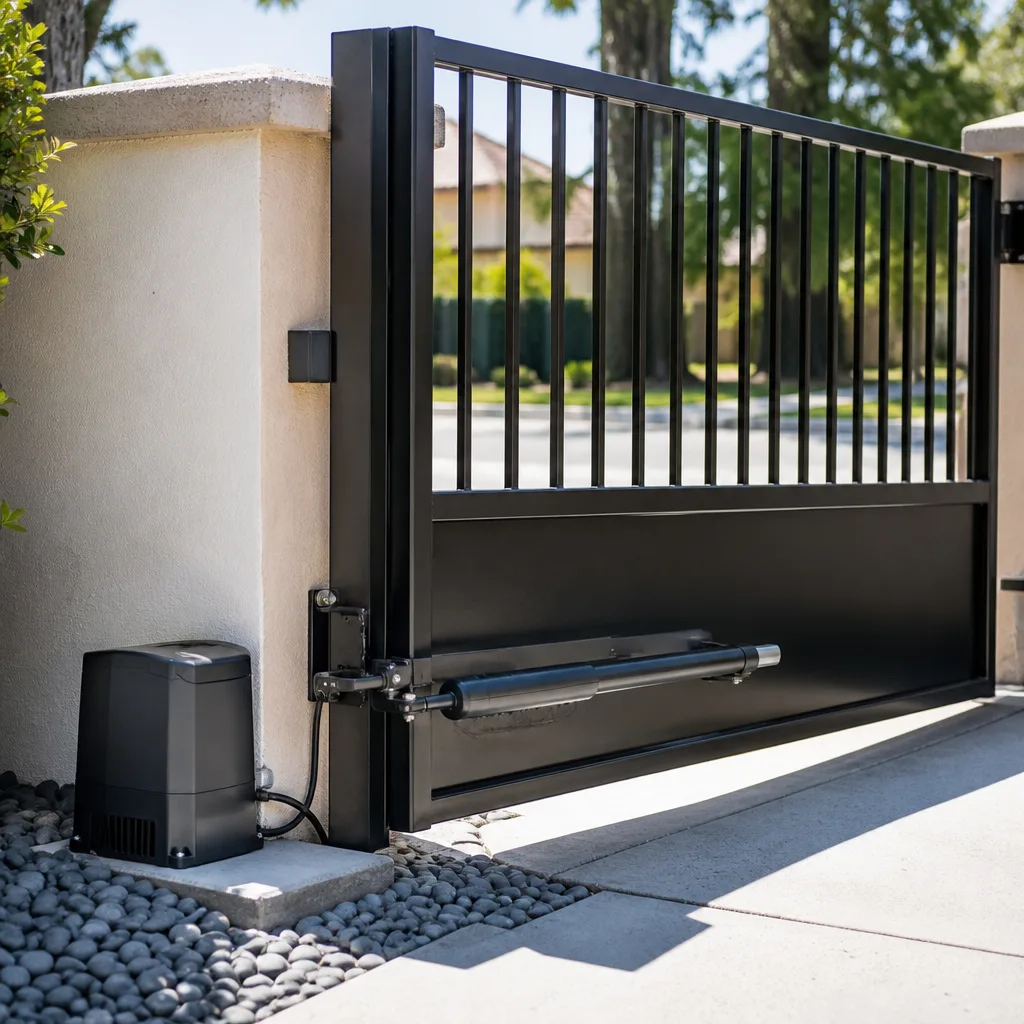 LiftMaster operators
Free on-site gate assessment - hinges, posts, and your LiftMaster or Nice gate operator checked before anything is quoted
The assessment is free and the quote is the invoice.
Get your free estimateSeasonal Gate Repair Care for Aurora: Year-Round Homeowner’s Guide
Most gate advice you’ll find online was written for a climate that doesn’t exist here. It talks about rust, salt exposure, and mild winters, then calls it a year. Aurora runs a four-season gauntlet instead: spring freeze-thaw that heaves concrete footings, summer UV at 5,400 feet that degrades rubber and wiring insulation faster than coastal advice accounts for, fall debris that packs slide-gate tracks, and winter cold that turns a tired battery or a mis-set torque value into a gate that won’t move. Each season asks something different of your system, and each one has a task that prevents that season’s most expensive failure. This guide walks through all four for Aurora homeowners and property managers, with specific checkpoints, brand-aware notes, and a clear line on when to call a specialist.
Quick Answer
Seasonal gate care in Aurora means inspecting posts and footing for frost heave in spring, checking UV-damaged seals and photo-eye lenses in summer, clearing slide tracks and cottonwood debris in fall, and recalibrating battery backup and motor torque before the first hard freeze in winter. The single most costsaving habit is a short inspection at each season change rather than waiting for a failure, because most of Aurora’s expensive gate repairs start as small seasonal damage that went unnoticed for months. Our technicians have up to experience across both manual and automated systems, and we work on products from LiftMaster, FAAC, Elite, Mighty Mule, and other major brands.
Styles & brands we work with
- Wrought iron
- Wood & steel frame
- Farm & ranch
- Sliding driveway gates
- LiftMaster operators
Table of Contents
- Spring: Post-Freeze Inspection After Frost Heave
- Summer: UV Degradation and Thunderstorm Damage
- Fall: Debris Exclusion and Drive Protection
- Winter: Battery Capacity and Motor Torque
- The One Task Each Season That Prevents the Costliest Repair
- Common Mistakes to Avoid
- When to Call a Professional
- Frequently Asked Questions
Spring: Post-Freeze Inspection After Frost Heave
Spring in Aurora is when the ground finally thaws and reveals what winter did underneath your gate. Freeze-thaw cycles push and pull at concrete footings, and a gate post that shifted even a fraction of an inch over winter now sits out of plumb. That misalignment shows up as a gate that drags, binds mid-travel, or refuses to latch. This is the season to catch those problems before they become a hardware or operator failure.
Walk the gate and check these points in order:
- Post plumb: Look down the line of the gate and the posts. A visible lean or a gate that won’t swing or slide freely is often a footing that heaved. Don’t force it; the stress transfers to hinges, rollers, and the operator.
- Concrete condition: Check for cracks, lifting, or separation around the base of each post. A footing that lost contact with the soil is a candidate for resetting before the gate hardware takes the load.
- Ground loop wire: If your gate uses an in-ground loop for detection or exit, the thaw can expose or nick the wire where it meets the pavement edge. A damaged loop reads as a phantom vehicle or fails to trigger the gate at all.
- Hardware and fasteners: Cold and vibration loosen bolts. A quick torque check on hinge brackets, roller mounts, and operator anchors saves a lot of grief later.
In our experience, spring is also the right time to test entrapment protection properly, because the sensor housing may have taken a hit over the cold months. If a photo eye or safety edge is slow to respond, fix it now. On Aurora’s older residential streets and newer developments alike, a gate that fails a safety test is a repair that needs to happen before the gate runs unattended.
Summer: UV Degradation and Thunderstorm Damage
Summer in Aurora brings two threats that don’t show up on milder-climate checklists: intense UV at high elevation and violent afternoon thunderstorms. Both damage automated gates quietly, and both are easy to check when you know what to look at. We’re at 5,400 feet here, and UV intensity at that elevation is meaningfully higher than at sea level. Rubber seals, wiring insulation, and keypad membranes all break down faster because of it.
Here’s what to inspect during the summer window:
- Photo eye housings and lenses: Hail and flying debris crack or pit them. A hairline crack in a sensor lens can fill with frost in winter and stop the gate from reading entrapment protection entirely. Check for clarity and full, unobstructed line-of-sight.
- Wiring insulation: Sun-baked insulation on exposed low-voltage runs cracks and can short. Look for chalky, brittle, or split jackets along the operator wiring.
- Rubber seals and weatherstripping: Door seals on operator cabinets, gaskets on keypads, and any weatherproofing on access control housings dry out and let moisture in.
- Keypad and reader membranes: UV makes membrane switches stiff and prone to failure. Test every button during summer so a dead digit doesn’t strand you or your tenants.
- Gate alignment after storms: A strong gust can push a light gate out of alignment or knock a slide gate off its track. Check travel after any significant storm.
This is also when we see battery backup units and control boards stressed by heat inside sealed enclosures. If your system shut down oddly during a hot spell, the board or battery may be the reason. Brand matters here too: an Elite or Mighty Mule residential operator tolerates heat differently from a heavy-duty FAAC or LiftMaster commercial unit, and the repair follows the specific system.
Fall: Debris Exclusion and Drive Protection
Fall in Aurora is a debris season. Leaves, twigs, and cottonwood seed collect in slide-gate tracks and behind the gate, and that debris does real damage if it’s allowed to sit through the change of seasons. A slide gate that rolls over packed debris puts constant drag on the drive, and the drive is what fails. Cottonwood seed is especially tough: it’s fine, sticky, and it finds its way into rack-and-pinion drives and rollers where it mixes with grit and becomes an abrasive paste.
Fall prep should include:
- Clear the track and roller path: Sweep or vacuum the full travel path, not just the visible section. A gate travels the whole run, so inspect the whole run.
- Clear around the drive: On a rack-and-pinion slide gate, remove debris from the rack teeth and the pinion housing. Running over seed and grit wears the teeth.
- Check drainage: Fall rain and melting snow need somewhere to go. Pooling water around the track and footing accelerates freeze damage in winter.
- Inspect limit and sensor positions: Debris can shift a limit flag or block an exit loop sensor. Confirm the gate opens fully, closes fully, and reverses on obstruction.
- Test the manual release: Before winter, make sure you can still release the operator by hand. Cold weather is exactly when you may need it.
For property managers in Aurora with multiple units, fall is the practical time to walk every gate on the property in one pass. Catching a dragging slide gate in October is a hardware adjustment; catching it in January is often a drive replacement.
Winter: Battery Capacity and Motor Torque
Winter is where automated gates in Aurora earn their keep, and where the wrong settings cause the most avoidable failures. Cold reduces the usable capacity of every battery, and the gate that ran fine in October can stop mid-travel in January. The fix isn’t always a new battery; sometimes it’s matching battery type to the season and making sure the motor isn’t fighting ice.
Here’s how to be ready for winter:
- Battery backup: Cold-weather-rated batteries hold their capacity better in the cold than standard batteries. Check the age and health of the backup battery before the first hard freeze, and test a full open-close-open cycle on backup power to confirm it actually runs the gate.
- Motor torque: An operator set for summer loads may struggle once the gate is heavier with ice. Torque that’s too low stalls the gate; torque set too high puts stress on the gate hardware and the drive. This is a setting to have checked against the gate’s actual weight and condition, not turned up at random.
- Ice load: Confirm the gate isn’t binding or dragging under frost. If it needs a push to start, stop and have the drive inspected.
- Operator cabinet: Clear snow and ice away from vents, covers, and the manual release so the unit can breathe and stay accessible.
- Photo eyes and safety edges: Snowbanked sensors fail open, which means the gate refuses to close. Keep the sight lines clear and clear any accumulation from sensor housings.
If you run a LiftMaster, FAAC, or similar automated system, the winter check is the same in principle: know your battery, know your torque, and know that the gate can move freely. If it can’t, that’s a repair, not a setting.
The One Task Each Season That Prevents the Costliest Repair
If you only do one thing each season, this is the short list. Each one targets the failure that costs the most in that window, and each one is cheap compared to the repair it prevents.
- Spring: Confirm every gate post is plumb and the footing is sound. A heaved post is a long-term problem that damages hinges, operators, and concrete, and catching it in spring keeps it a reset rather than a rebuild.
- Summer: Inspect photo eye housings and lenses for cracks and pits. A cracked lens can read fine in warm weather and fail as frost arrives, and a gate that loses entrapment protection is both a safety problem and a system shutdown.
- Fall: Clear the slide track and rack-and-pinion drive completely. Debris that stays through winter becomes abrasive under ice and wears the drive.
- Winter: Test backup battery capacity and have motor torque checked against real gate load. A weak battery or a mis-set torque value is the difference between a gate that opens and a gate that doesn’t.
These four checks take a homeowner a few minutes each and a property manager a short walk per gate. In Aurora, treating each season as its own repair-prevention window is the single habit that keeps gate repair bills small.
Common Mistakes to Avoid
- Waiting for a failure to inspect. Most Aurora gate problems start as small seasonal damage and show up months later as a repair. Inspecting at season change catches them while they’re still small.
- Forcing a dragging gate. If the gate binds or needs a push, stop. Forcing it transfers the load to the operator and wear parts, which turns an adjustment into a bigger repair.
- Turning up torque to fix a binding gate. More torque doesn’t fix a misaligned post or a debris-packed track; it just hides the problem and stresses the drive. Fix the cause.
- Ignoring a photo eye that reads “fine” in summer. A cracked or pitted lens can fail in cold weather. In our experience, a gate that stops announcing entrapment protection in winter usually had a summer hit nobody checked.
- Leaving debris in the track through winter. Packed leaves and cottonwood seed under ice act like sandpaper on a rack-and-pinion drive. Clear the whole travel path, not just what you can see.
- Assuming a standard battery is fine. A battery that works in October may not have the capacity to run the gate in February cold. Check capacity before the first hard freeze, not after.
- DIY on the electrical side. Operator wiring, power runs, and safety edges are not a homeowner task. If a repair involves opening the control cabinet or touching line voltage, call a trained technician.
When to Call a Professional
Some seasonal checks you can do yourself: walking the gate, clearing debris, testing buttons, and noting anything that binds, drags, or fails to latch. But several situations are not homeowner work. A gate post that has heaved, a slide gate that has come off its track, operator wiring or power that needs repair, a motor that has to be re-set or re-torqued, or a sensor that has lost entrapment protection all sit in the professional category. Heavy gate panels can crush, and the electrical side of an automated gate carries real hazard, so a trained technician should handle those parts. If you’re not sure whether your issue is a setting or a mechanical failure, the safe answer is to have it looked at. Aurora Gate Repair offers free estimates in Aurora, and we answer 24/7 on (877) 330-0618, with fast dispatch from 7am to 7pm, Sunday through Friday. The price is quoted and agreed in a written estimate before any work starts, so there are no surprises when the job is done.
Frequently Asked Questions
Once at each season change is the practical rhythm: spring, summer, fall, and before winter. That cadence lines up with the four failure windows in this climate, and it catches the small issues before they turn into hardware or operator repairs. A homeowner can do the light checks; a technician handles posts, wiring, and anything that requires opening the operator.
Cold reduces battery capacity and makes the gate heavier with ice, so a system that ran fine in warm months can stall in winter. The usual culprits are a backup battery past its cold-weather capacity and motor torque set for summer loads. Have the battery tested and the torque checked before the first hard freeze; call (877) 330-0618 for a free estimate if it needs work.
UV at 5,400 feet is stronger than at sea level, so rubber seals, wiring insulation, and keypad membranes degrade faster. The visible warning signs are chalky or split insulation, stiff membrane buttons, and cracked or pitted photo eye housings. A summer inspection catches these before they cause a safety failure in winter.
Yes, clearing leaves, twigs, and cottonwood seed from the visible track and roller path is a safe homeowner task as long as the gate is off and not running. If the drive or rack-and-pinion is packed or the gate won’t roll freely after clearing, that’s a mechanical issue worth a professional look. Call (877) 330-0618 to schedule.
We work on products from major manufacturers including LiftMaster, FAAC, BFT, Linear, Viking, Ghost Controls, DoorKing, Elite, and Mighty Mule, across residential and commercial-grade systems. If your brand isn’t listed, call and we’ll confirm. Our technicians have up to experience with automated gate repair.
For a gate with sound posts and structure, repair is usually the right call, and seasonal maintenance keeps it that way. When a post has heaved badly or the structure is compromised, replacement may make more sense. A free on-site estimate will tell you which one you’re looking at, and the written price is agreed before any work begins.
The Bottom Line
Gate care in Aurora isn’t one checklist; it’s four, one per season. Spring is about plumb posts and exposed ground loops after frost heave. Summer is about UV-worn seals, cracked photo eye lenses, and storm damage. Fall is about clearing slide tracks and rack-and-pinion drives before debris becomes an abrasive under ice. Winter is about battery capacity and motor torque matched to real load. Do the one task each season that prevents that window’s costliest repair, and your gate stays reliable through all four. When a check turns up something a homeowner shouldn’t touch, that’s when a specialist saves you the most.
Call (877) 330-0618 for a free estimate. We answer 24/7. Fast dispatch from 7am to 7pm, Sunday through Friday. Whether you’re in Aurora facing a dragging slide gate or a photo eye that quit, our technicians will diagnose it correctly the first time, quote a written price, and fix the right part. Gate work is all we do, and we know your brand.
Written by the team at Aurora Gate Repair.
See the difference
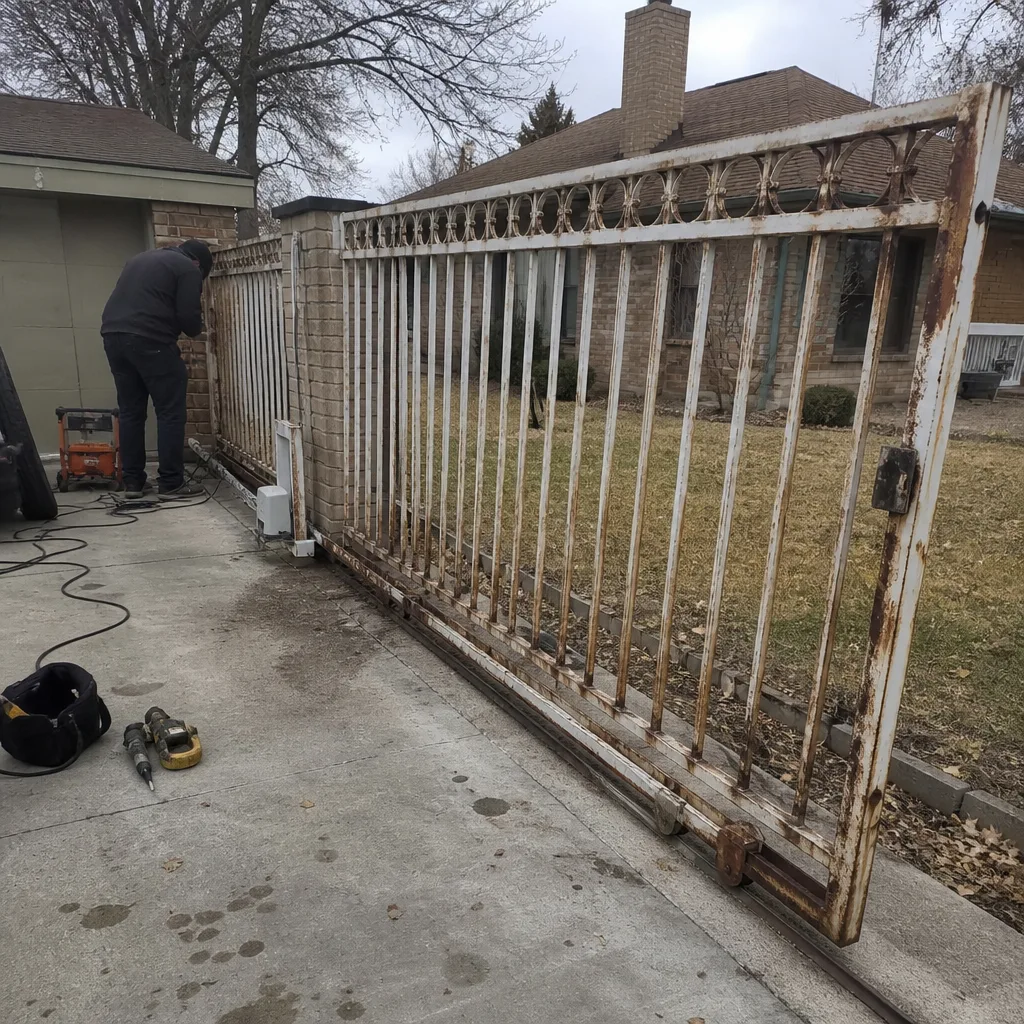 Before
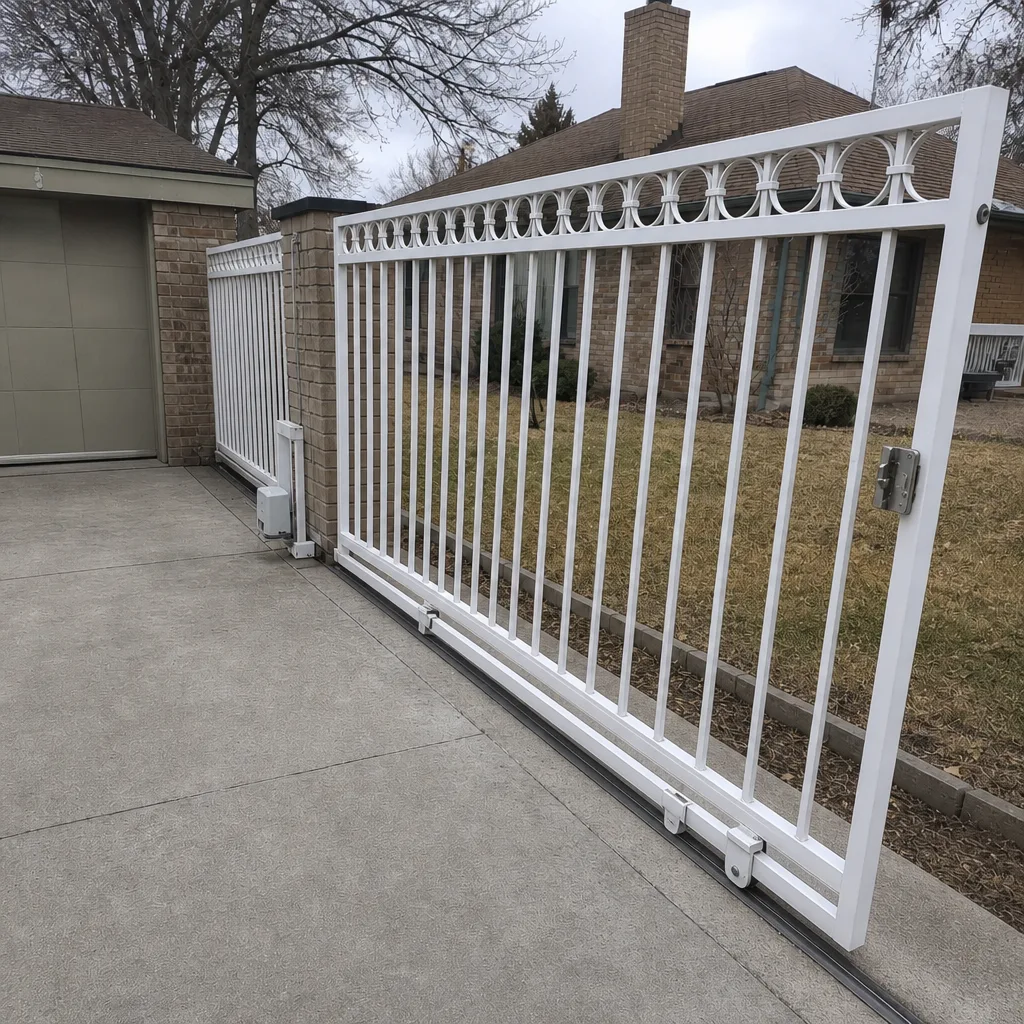 After
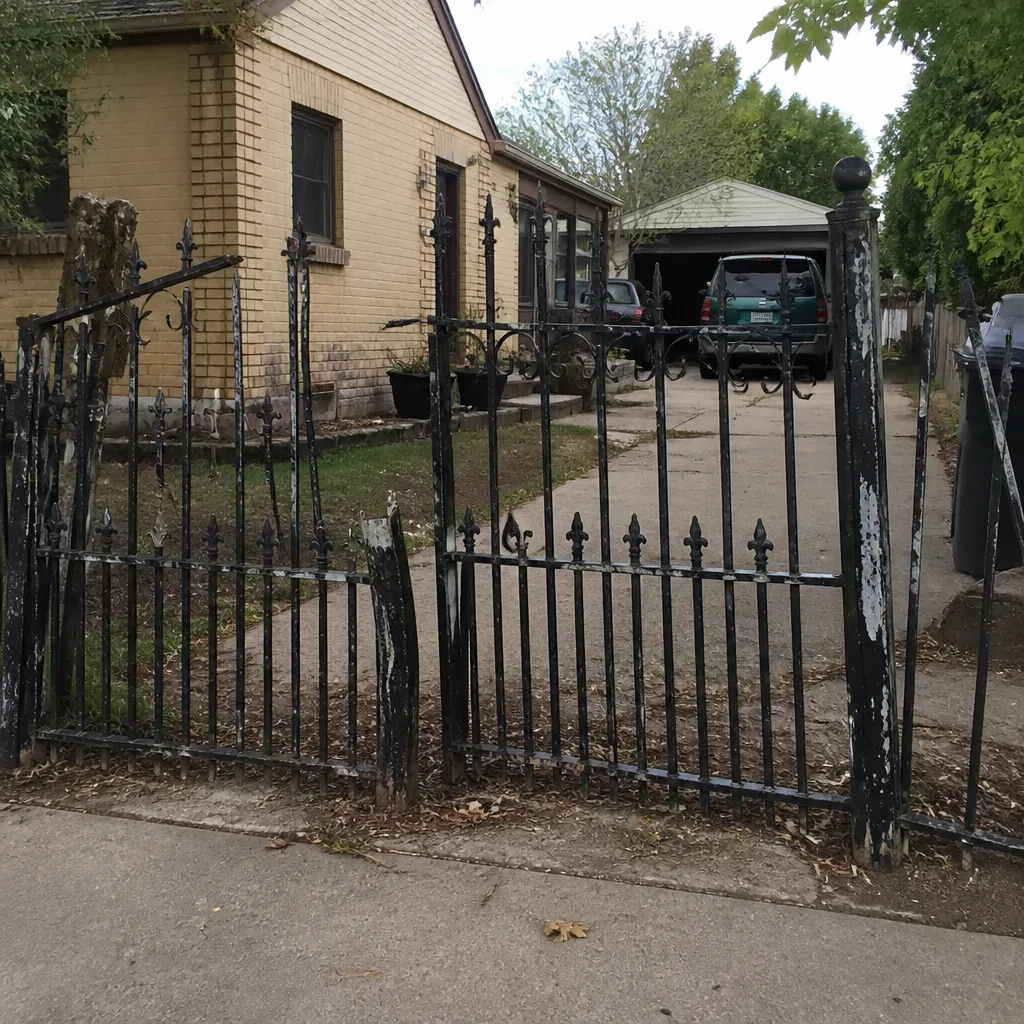 Before
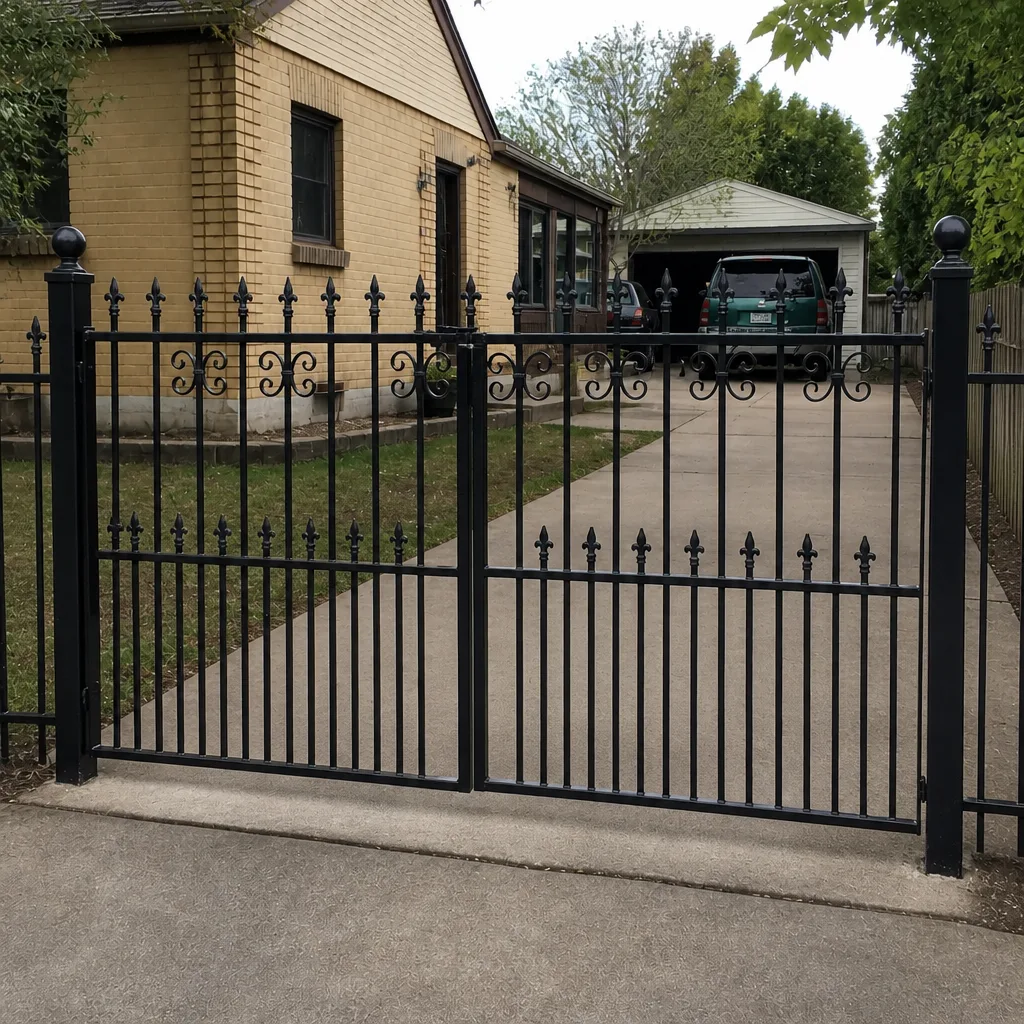 After
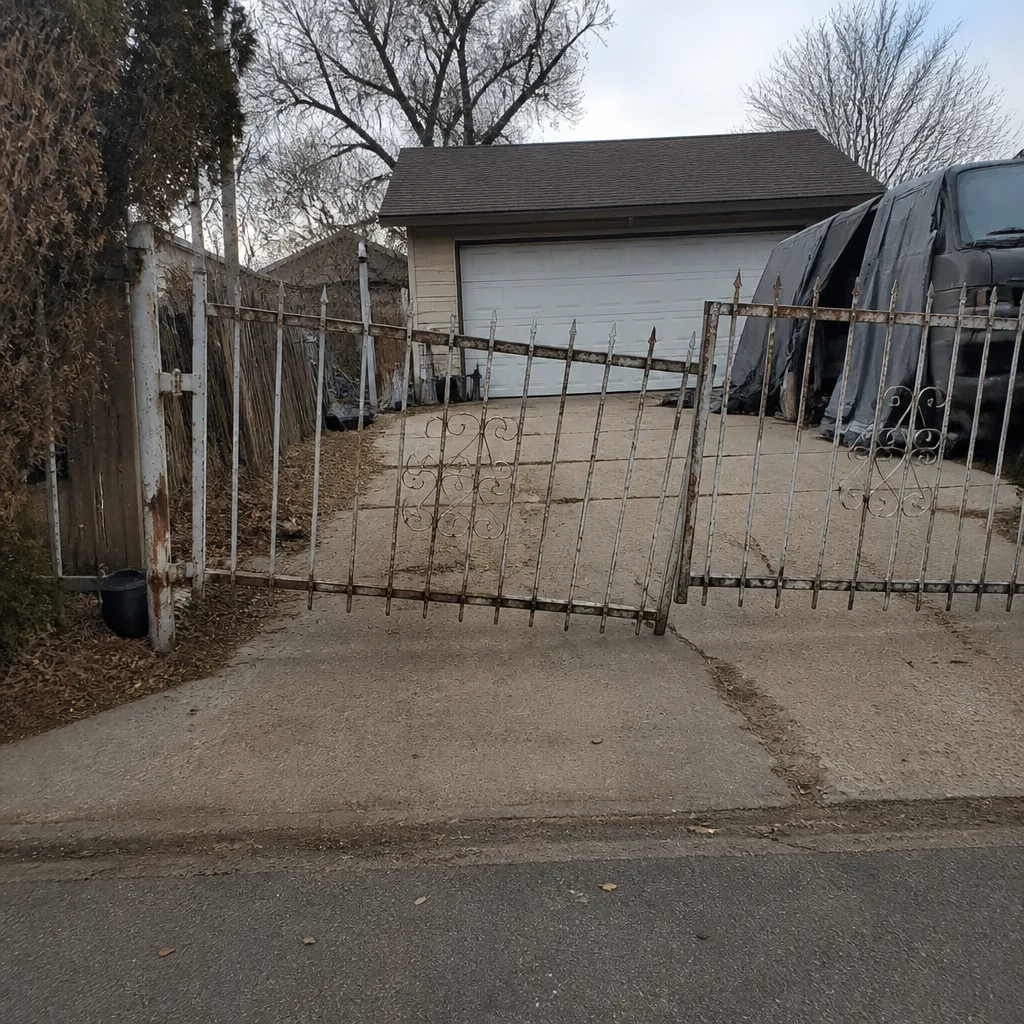 Before
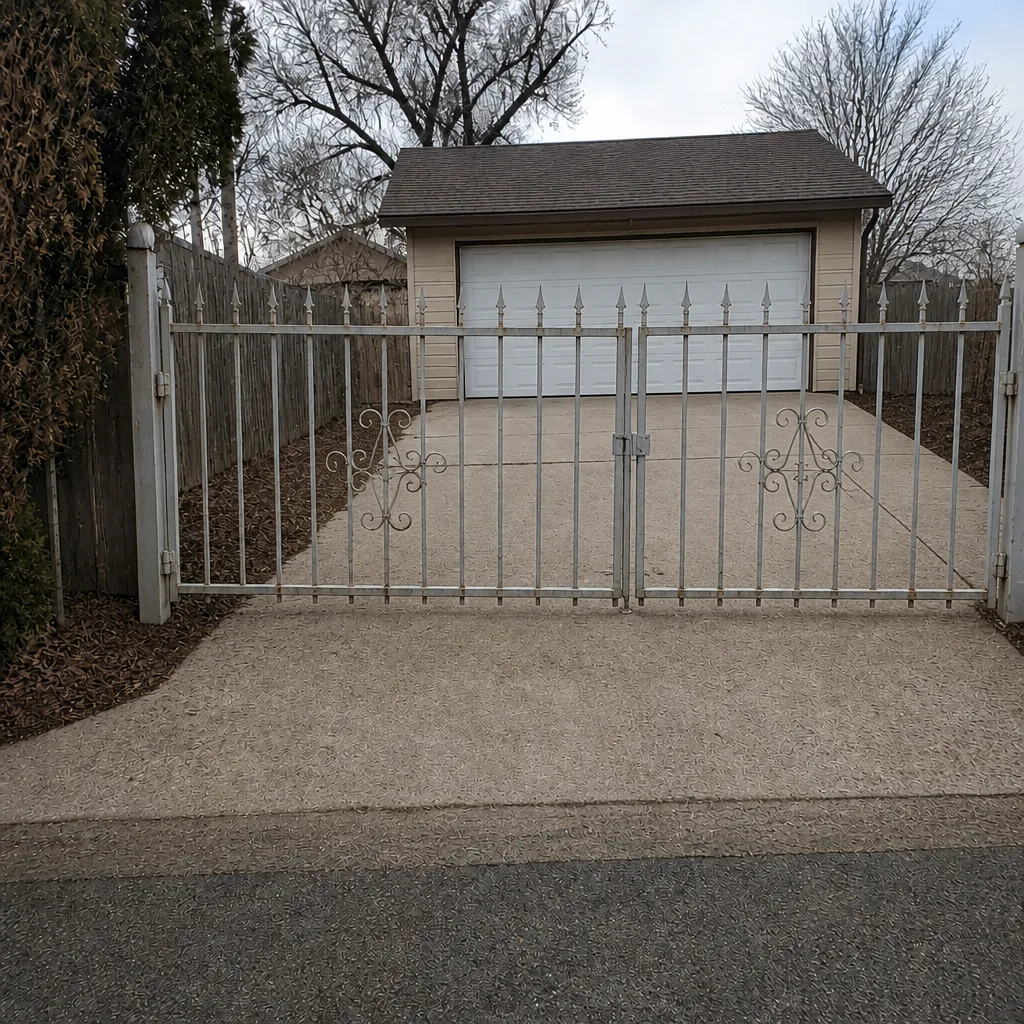 After