
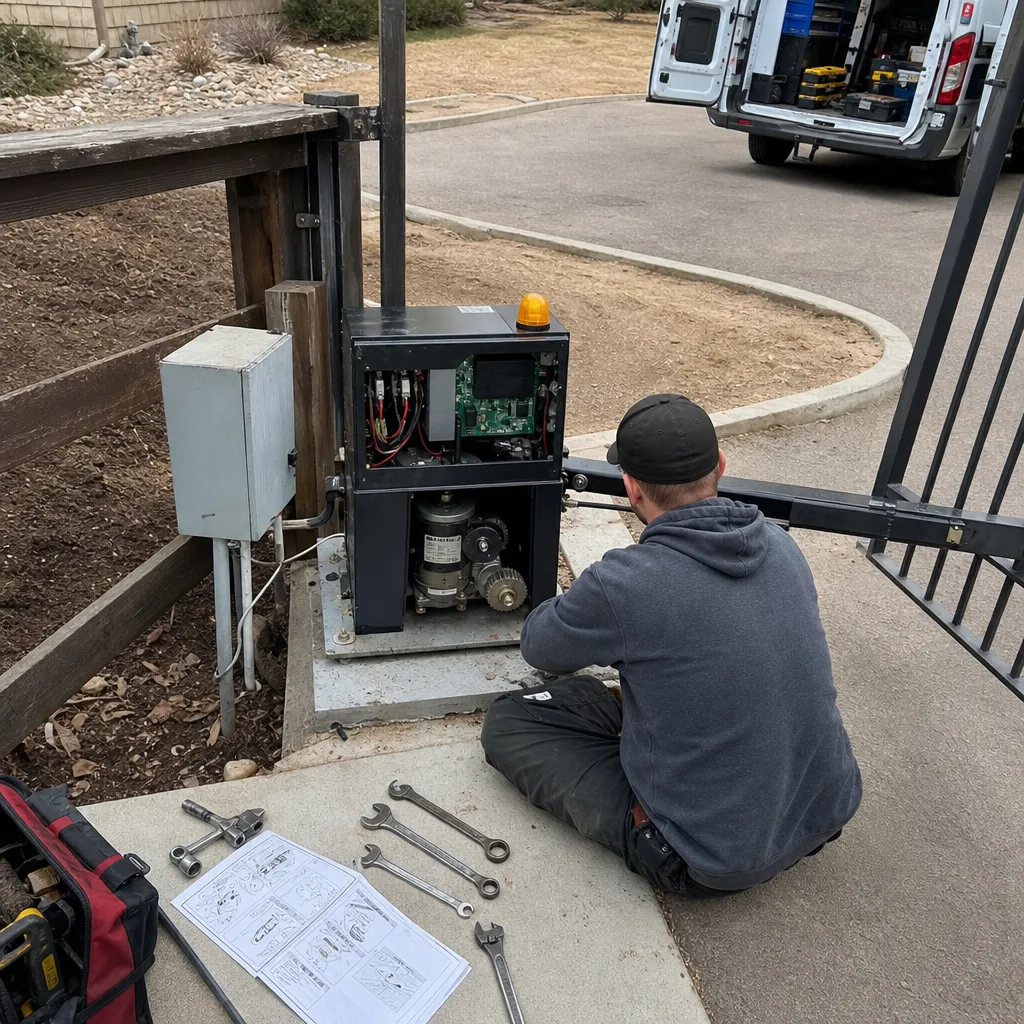
Last updated November 15, 2026
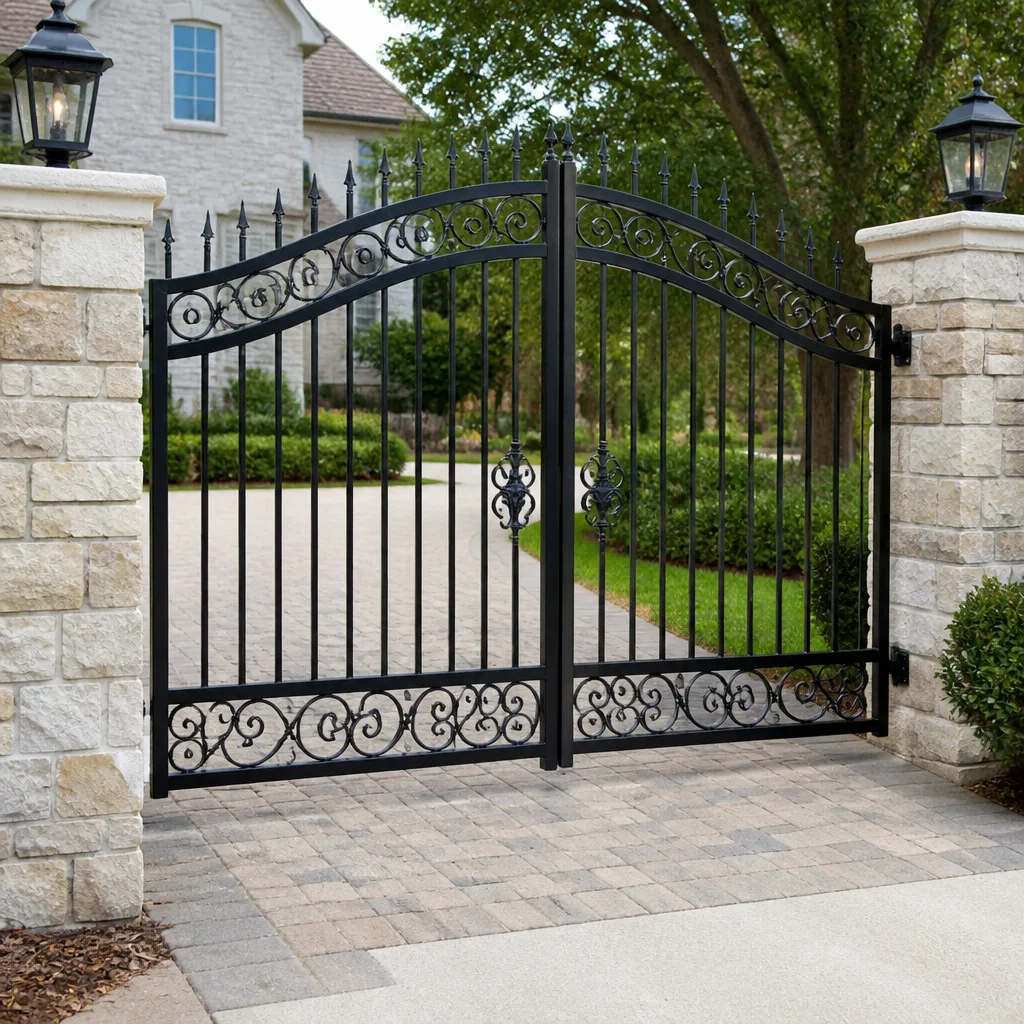 Wrought iron
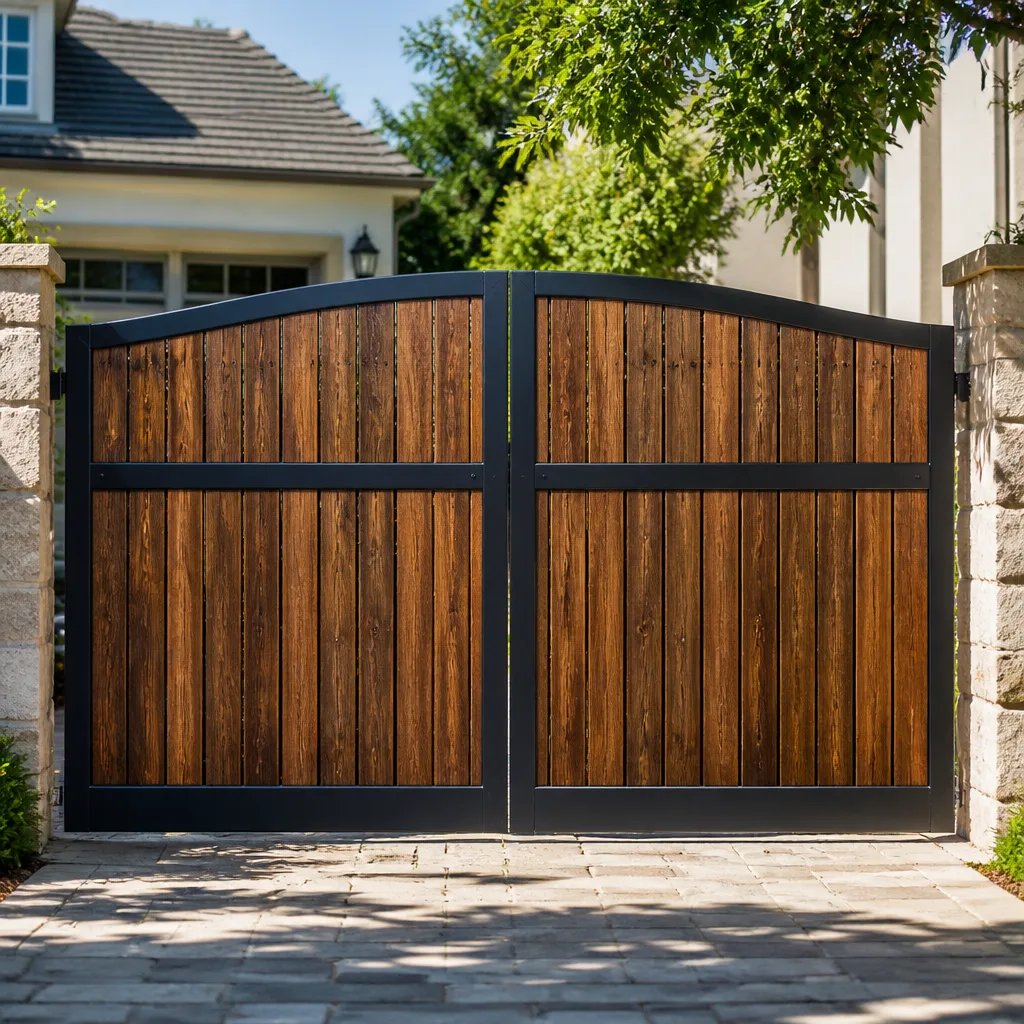 Wood & steel frame
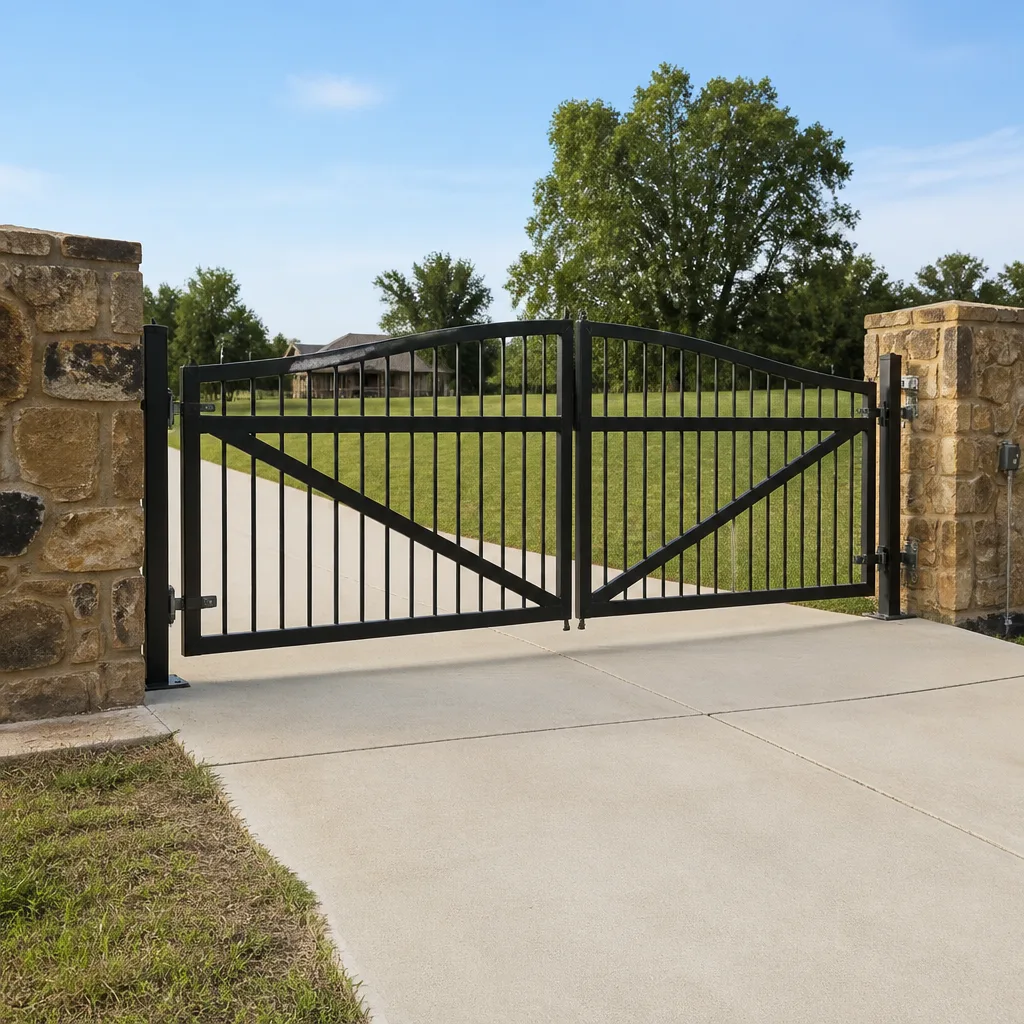 Farm & ranch
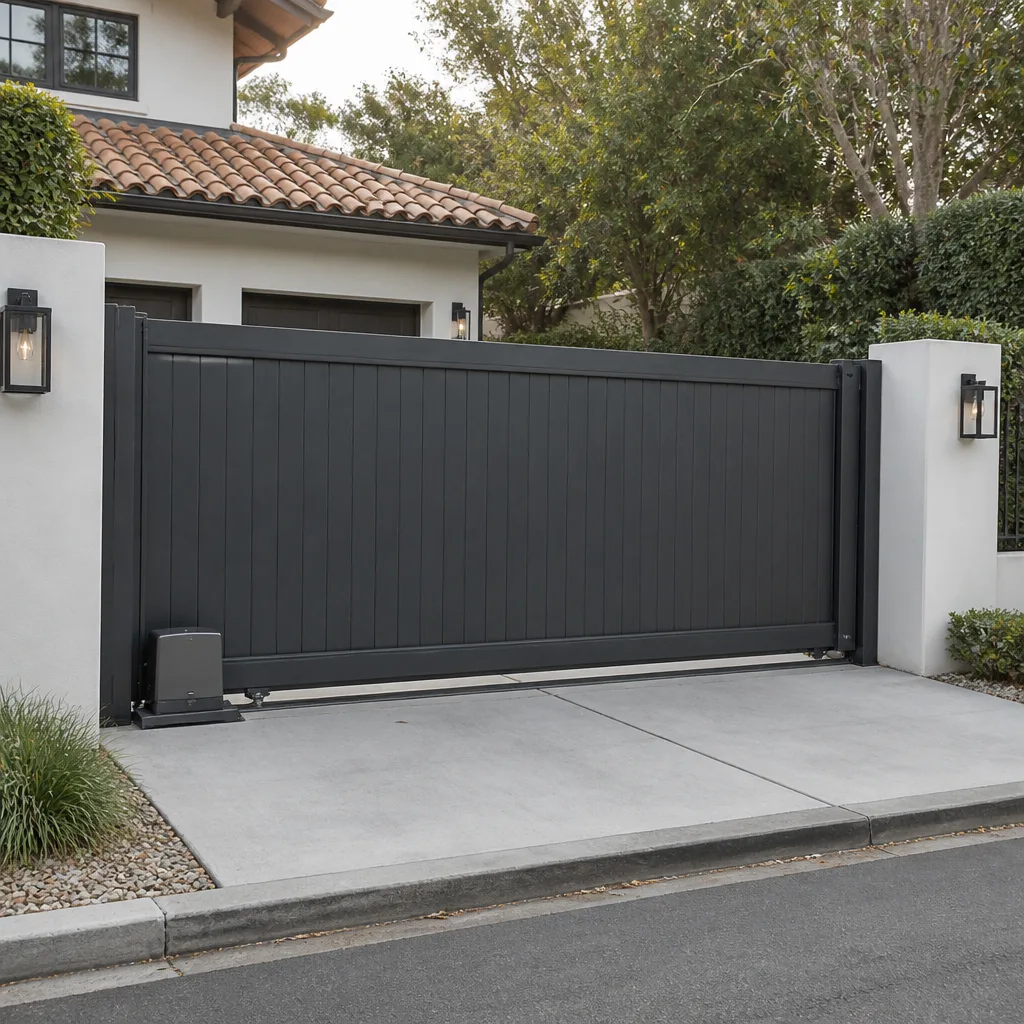 Sliding driveway gates
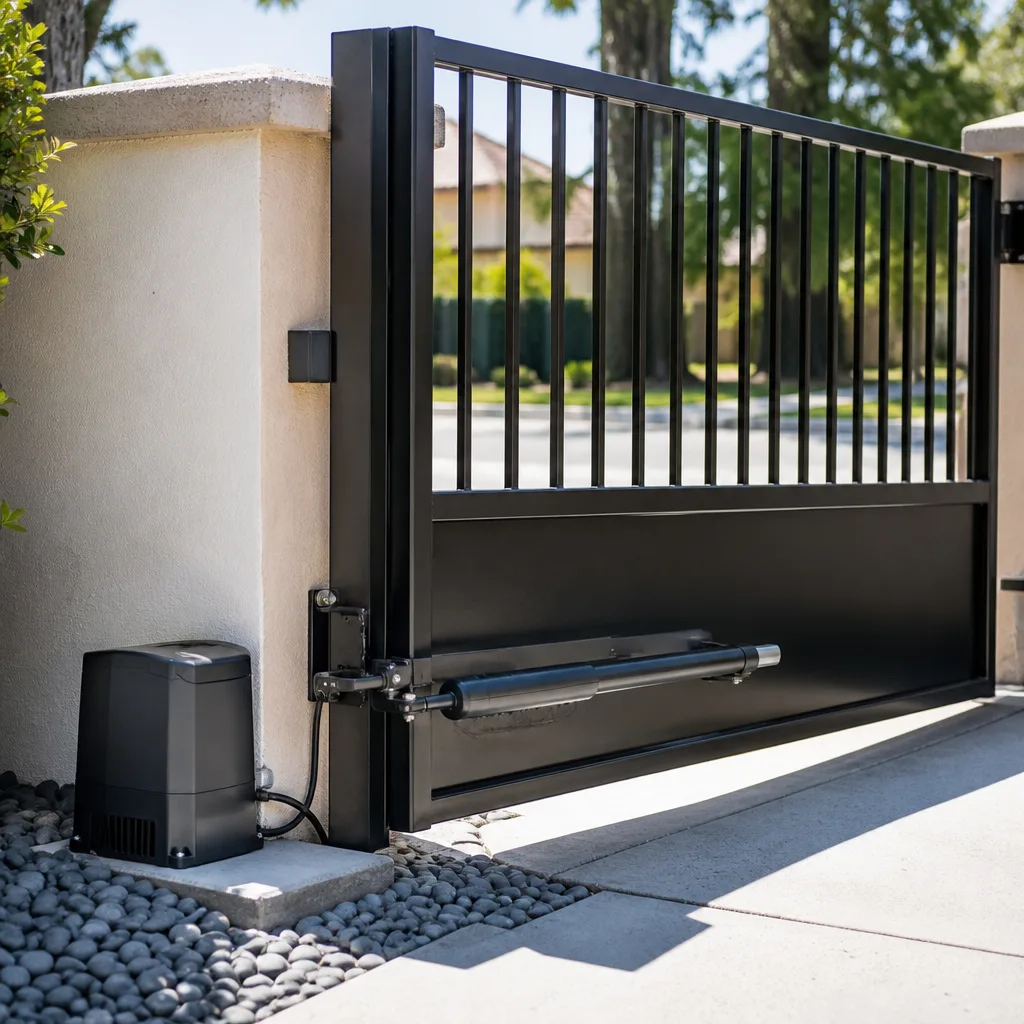 LiftMaster operators
Free on-site gate assessment - hinges, posts, and your LiftMaster or Nice gate operator checked before anything is quoted
The assessment is free and the quote is the invoice.
Get your free estimateChoosing the Right Gate Repair Brand: A Buyer’s Guide for Aurora
LiftMaster is not the right operator for every gate in Aurora, and Viking is not automatically a commercial-only product. The brand decision that actually matters starts with your gate’s weight and how many times it opens each day, not a logo you recognize from a neighbor’s driveway. Homeowners here tend to shop by name recognition, then discover months later that the operator is either overbuilt for a driveway gate that cycles eight times a day or under-rated for a heavier slide gate that runs constantly. This guide walks through spec-matching, brand-by-brand strengths, parts availability in the Denver metro, cold-weather behavior, and the long-term repair cost that follows a brand choice for years.
Quick Answer
The right gate brand for an Aurora property is the one whose duty rating, environmental rating, and cycle capacity match your gate’s actual weight and daily use, and whose parts a local technician can source quickly. For most residential driveway gates, a mid-duty LiftMaster or Linear operator handles the load well. Heavy slide gates and multi-unit commercial entrances usually call for FAAC, BFT, or DoorKing. Before you compare brands, measure the gate and count the cycles.
Styles & brands we work with
- Wrought iron
- Wood & steel frame
- Farm & ranch
- Sliding driveway gates
- LiftMaster operators
Table of Contents
- Start With the Spec, Not the Logo
- Brand by Brand: Where Each Operator Excels
- Parts Availability in the Denver Metro
- How Aurora’s Temperature Swing Affects Each Brand
- The Long-Term Cost of Brand Selection
- What a Full Installation Includes
- Common Mistakes to Avoid
- When to Call a Professional
Start With the Spec, Not the Logo
Gate operator brands are built for different duty classes, and the label on the box tells you less than the duty rating on the spec sheet. Before you look at a single brand name, get three numbers about your gate: leaf weight, cycles per day, and available power at the post. That trio determines which operators are even in the running. An operator rated for a 400-pound leaf will strain on an 800-pound gate even if it opens on the first try, and the strain shows up in the motor windings and control board long before the warranty period ends.
Here’s the framework we walk through on every electric gate repair visit before discussing brands:
- Weigh the gate leaf. A steel tube slide gate and a cedar swing gate of identical dimensions can be hundreds of pounds apart. A rough weight is enough to land in the right duty class.
- Count the daily cycles. A residential driveway gate that opens twice in the morning and twice in the evening is light-duty. A shared HOA entrance or a small commercial lot cycles dozens of times and needs a heavier class.
- Check the power. Most Aurora residential installations run on 120V at the post. Larger commercial operators may want 240V or a dedicated circuit, and that affects which brands fit without a service upgrade.
- Note the gate type. Swing and slide operators are not interchangeable, and some brands are stronger in one than the other.
Only after those four points do brand names start to matter. A builder sourcing operators for a new development in Aurora should run this same checklist across every unit, because a single under-rated operator on a heavy gate becomes a warranty call. We’ve found that most premature operator failures trace back to a duty mismatch, not a manufacturing defect.
Brand by Brand: Where Each Operator Excels
There’s no universally best operator, only the right one for a specific gate. What follows is a practical read on the major residential and commercial brands we work with in Aurora, including where each is strongest and what tends to fail first. The brand should be the last box you tick, not the first.
LiftMaster
LiftMaster is the most common residential name in the Denver metro, and for good reason: the operators are widely supported, the control boards are reasonably priced, and parts are rarely hard to find. For a standard residential swing gate with light cycle counts, a LiftMaster operator is a sensible, serviceable choice. The known weak point is environmental exposure. When the control housing takes on water or the board sits in a spot that collects snowmelt, the electronics fatigue faster than the mechanical drive.
Viking
Viking gets unfairly boxed into the commercial category. The brand builds rugged swing and slide operators that hold up well on heavier residential gates, and it’s a strong fit for larger Aurora properties with a long drive and a substantial gate leaf. Where Viking excels is durability under load and consistent performance in cold. Where it needs attention is parts sourcing: some components are not on the same-day shelf as the mass-market brands, so a repair can stretch if the right board isn’t local.
FAAC and BFT
FAAC and BFT are the workhorses on the commercial side, and they earn that reputation with heavy-duty slide and swing operators built for high cycle counts. On a multi-unit entrance, a gated community, or a small commercial lot in Aurora, these are often the correct call. Their failure modes are usually wear-related rather than electronic: the drive train and limit switches see real load. Professional-grade parts availability is good in the Denver metro, but not every auto parts counter stocks them, so we plan for a slight lead time on uncommon components.
Linear
Linear operators are a solid mid-tier residential option with a reputation for straightforward control electronics and predictable behavior. For a homeowner who wants reliable performance without paying for commercial-grade capacity they’ll never use, Linear is often the right balance. The electronics are serviceable and the failure modes are easy to diagnose, which shortens repair time.
DoorKing
DoorKing sits at the access-control end of the spectrum, and that’s where it belongs. If your property has telephone entry, keypad access, or a multi-tenant gate system, DoorKing’s integration with access hardware is the reason to choose it. Treating a DoorKing system like a plain residential operator is a mistake; it’s a different category of equipment and deserves a technician who knows it as an access system, not just a gate motor.
Ghost Controls and Mighty Mule
Ghost Controls and Mighty Mule are the entry-level residential brands, and there’s nothing wrong with that. For a lightweight residential driveway gate on a modest budget, both can do the job. What they don’t tolerate is running a load above their rating. Put a Mighty Mule on a gate that’s heavier than its spec and you get short service life and repeated repairs. When we service these, the conversation usually turns to whether an upgrade makes more sense than another round of fixes.
Parts Availability in the Denver Metro
Parts availability decides how long your gate stays down, and it varies sharply by brand. Mass-market operators like LiftMaster and Linear typically have control boards and drive components stocked at metro-area distributors, which means a repair can often happen the same day we diagnose. Commercial brands like FAAC, BFT, and DoorKing are usually well supported too, though uncommon components may take a few days to source. Mid-tier and specialty brands, including some Viking parts, sit in between: available, but not always on the shelf.
This matters because a gate that won’t open is a security and access problem, not a cosmetic one. When we quote a repair, we check parts availability before we commit to a timeline. Here’s how parts access breaks down in practical terms for Aurora properties:
- Mass-market residential (LiftMaster, Linear, Ghost Controls): same-day or next-day part availability is common; repairs move quickly.
- Commercial (FAAC, BFT, DoorKing): generally well stocked, with occasional lead time on specialty control modules.
- Mid-tier and heavier residential (Viking): usually available, but verify specific boards and switches before promising a fast turnaround.
- Entry-level (Mighty Mule): parts are easy to find, but repeated repairs on an under-rated unit often cost more than a right-sized replacement.
The brand you pick today sets the repair speed you’ll live with for the life of the gate. It’s worth weighing that against a lower sticker price. If you’re already dealing with a down gate, our gate repair team checks parts availability as part of the estimate so you know what to expect.
How Aurora’s Temperature Swing Affects Each Brand
Aurora runs from deep cold snaps that dip below zero to summer days that push past 100°F, and that swing stresses gate operators in ways milder climates don’t. Cold thickens grease, stiffens seals, and slows motor start-up; heat pushes control boards and capacitors toward their thermal limits. The same operator that performs flawlessly in a mild climate can behave very differently on a January morning in Aurora.
What actually helps, brand by brand, is specific:
- Motor and gearing: heavier-duty drive trains (Viking, FAAC, BFT) handle cold-start torque better than light residential motors running near their load limit.
- Control boards: boards with sealed enclosures and good ventilation survive Aurora’s temperature swings longer. Poorly housed electronics are often the first thing to fail after a freeze-thaw cycle.
- Cold-weather kits: these typically address grease viscosity and limit-switch behavior. They help a right-sized operator cope with cold; they do not turn an under-rated operator into a heavy-duty one.
- Battery backup: useful on residential swing operators that should keep working through a brief power interruption, and worth discussing with your technician.
The most common cold-weather mistake we see is buying a light residential operator for a gate that should carry a heavier one, then expecting a cold-weather kit to close the gap. It doesn’t. The right fix is to match the duty rating to the gate in the first place, then make the small seasonal adjustments that keep the system reliable through the Aurora winter.
The Long-Term Cost of Brand Selection
Two operators can cost nearly the same up front and diverge wildly over ten years of ownership. The difference usually lives in the control board. Some brands use field-replaceable boards that cost a modest amount and swap in minutes. Others use proprietary modules that run into the hundreds of dollars and sometimes require a full system reset. Over the life of a gate, that gap can dwarf the original purchase price.
When we help an Aurora homeowner choose a brand, we think about three repair cycles down the road:
- Board replacement cost. Field-replaceable, reasonably priced boards (common on LiftMaster and Linear) keep future repairs predictable.
- Parts longevity. Operators that use standard, widely stocked components age better because a single failure doesn’t strand the system waiting on a specialty part.
- Upgrade path. A brand with a clear line from residential to commercial (LiftMaster, FAAC, BFT) makes it easier to step up if usage grows, instead of starting over.
The cheap operator with an expensive proprietary board is the expensive operator over time. The slightly higher up-front cost of a well-supported brand often pays back in the first major repair. This is the calculation we walk through on every installation estimate, because it’s the decision that follows the homeowner longest.
What a Full Installation Includes
A new gate installation is a measured, ordered, scheduled job, not a same-day repair. The brand decision happens during the measure, when the gate weight, cycle count, power, and access needs are all confirmed. From there the operator is ordered to spec and the install is scheduled. Because the work is planned rather than reactive, don’t expect same-day service on a new gate; expect a written price and a clear timeline.
A proper installation covers:
- Measuring the gate and confirming the operator duty class against actual load and cycles.
- Verifying the power run to the post and whether a dedicated circuit is needed.
- Mounting the operator, aligning the drive, and setting the limit positions.
- Installing and testing the safety edges so the gate reverses on obstruction.
- Programming the access method (remote, keypad, or entry system) and testing the full cycle.
- Walking the owner through operation and the written estimate terms before any work begins.
Builders and developers sourcing operators for new projects should get the spec-matching step done before ordering equipment. A wrong-duty operator that gets installed and wired is far more expensive to correct than one caught at the measure. For new builds in Aurora, we’re happy to talk through the brand lineup against your drawings before you commit to a purchase order.
Common Mistakes to Avoid
Most brand-selection problems we see in Aurora come down to a handful of avoidable choices:
- Buying on name recognition alone. A neighbor’s LiftMaster may be perfect for their gate and wrong for yours if your leaf is heavier or cycles more often.
- Under-rating the operator to save money. A cheap entry-level unit on a heavy gate fails early, and the repeat repairs usually cost more than the right operator would have.
- Assuming a cold-weather kit fixes an under-rated motor. It adjusts for cold behavior; it doesn’t add duty capacity. Match the rating first.
- Ignoring parts availability until something breaks. A brand that’s hard to source locally can leave your gate down for days when a repair is needed.
- Treating a DoorKing access system like a plain gate motor. Entry and access-control equipment needs a technician who knows it as an access system.
- Over-speccing a light residential gate. Buying commercial-grade capacity for a gate that cycles a few times a day is money spent on capacity you’ll never use.
- Skipping the safety edge on a new install. A self-closing automated gate without proper obstruction sensing is a hazard, especially on a property with kids or pets.
When to Call a Professional
Call a professional when the operator is a commercial-grade unit, when the gate is heavy or automated, when the control board has failed, or when the safety edges and access wiring need work. Gate operators combine high-torque motors, stored energy, and line voltage, and the parts that hurt people are exactly the ones a homeowner shouldn’t troubleshoot alone. If a hinge is failing, a slide gate has jumped its track, or an electric operator reverses on its own, stop using it and get it looked at. Our technicians have up to 10 years of experience across the major residential and commercial brands, and we diagnose electric gate problems at the system level rather than guessing at the motor.
Aurora Gate Repair offers free estimates in Aurora. Call (877) 330-0618. We answer 24/7. Fast dispatch from 7am to 7pm, Sunday through Friday.
See the difference
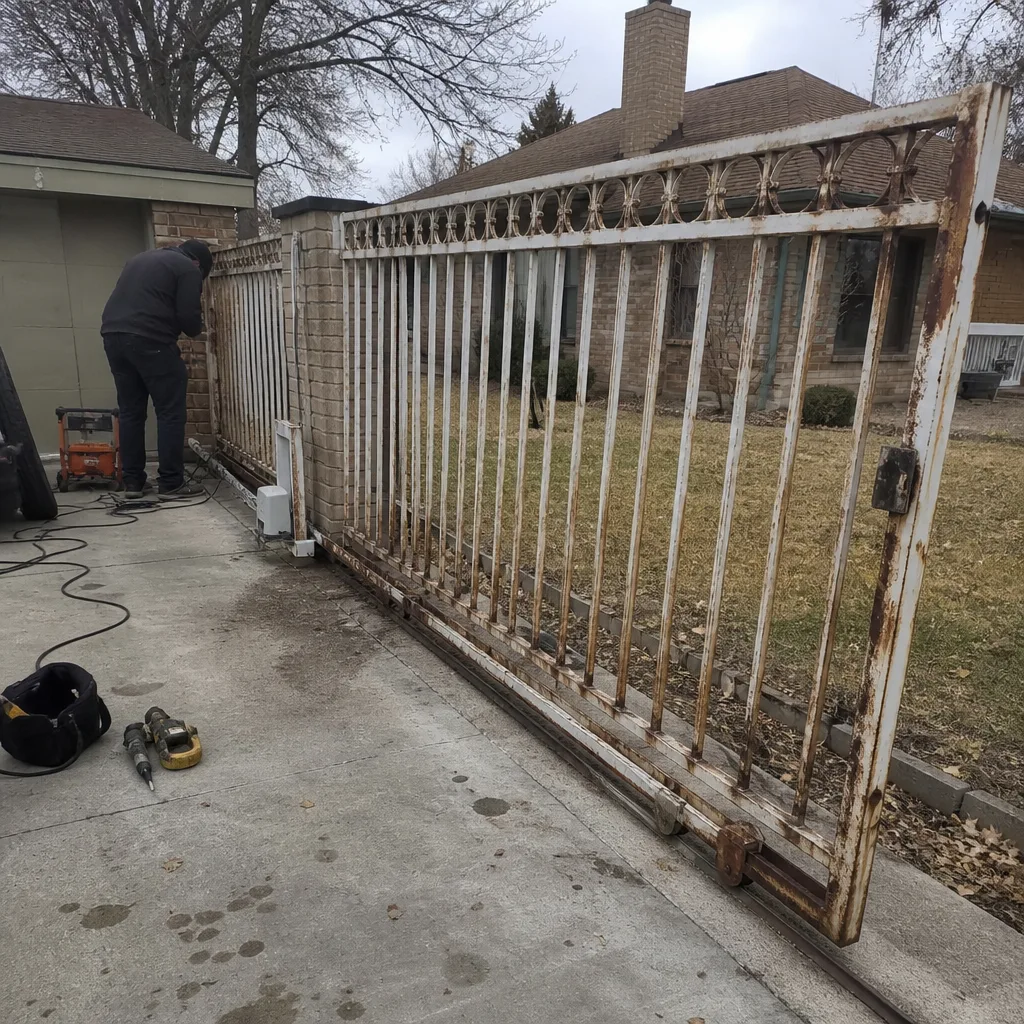 Before
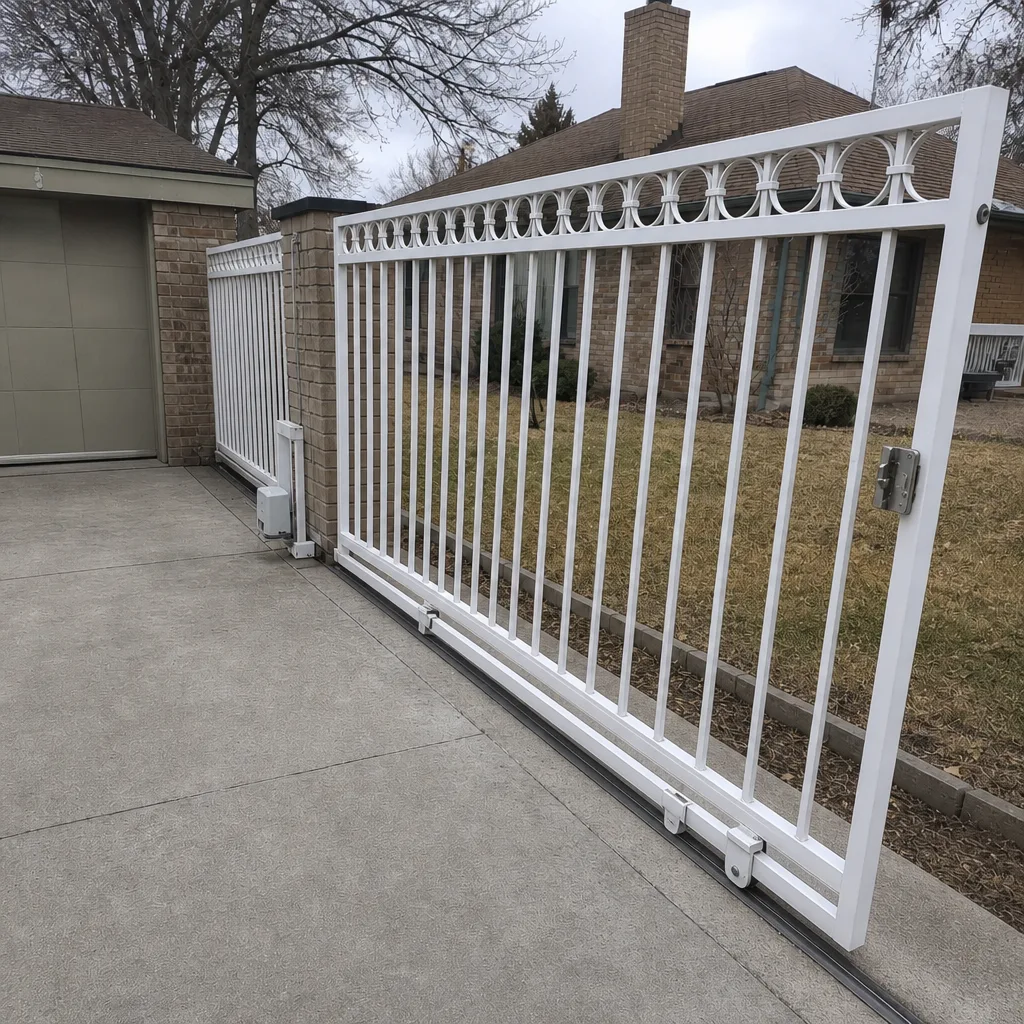 After
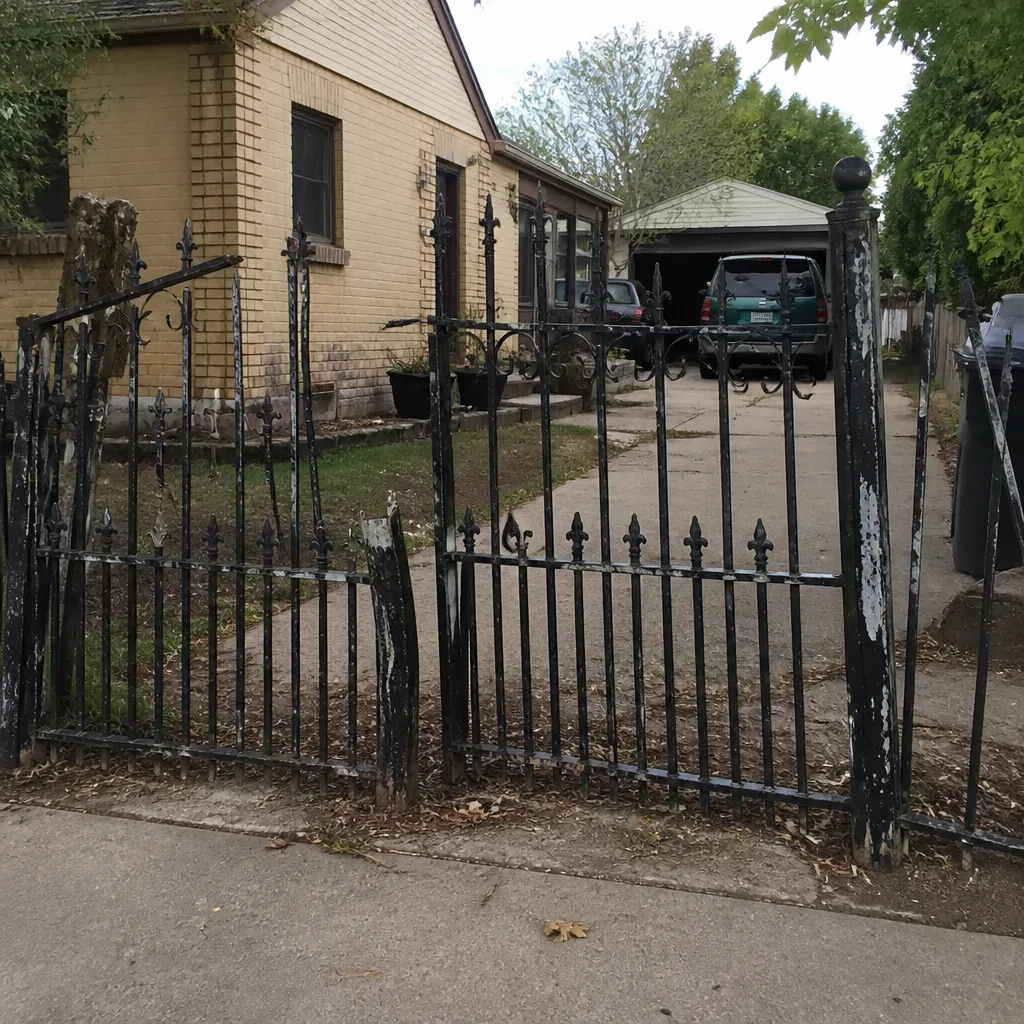 Before
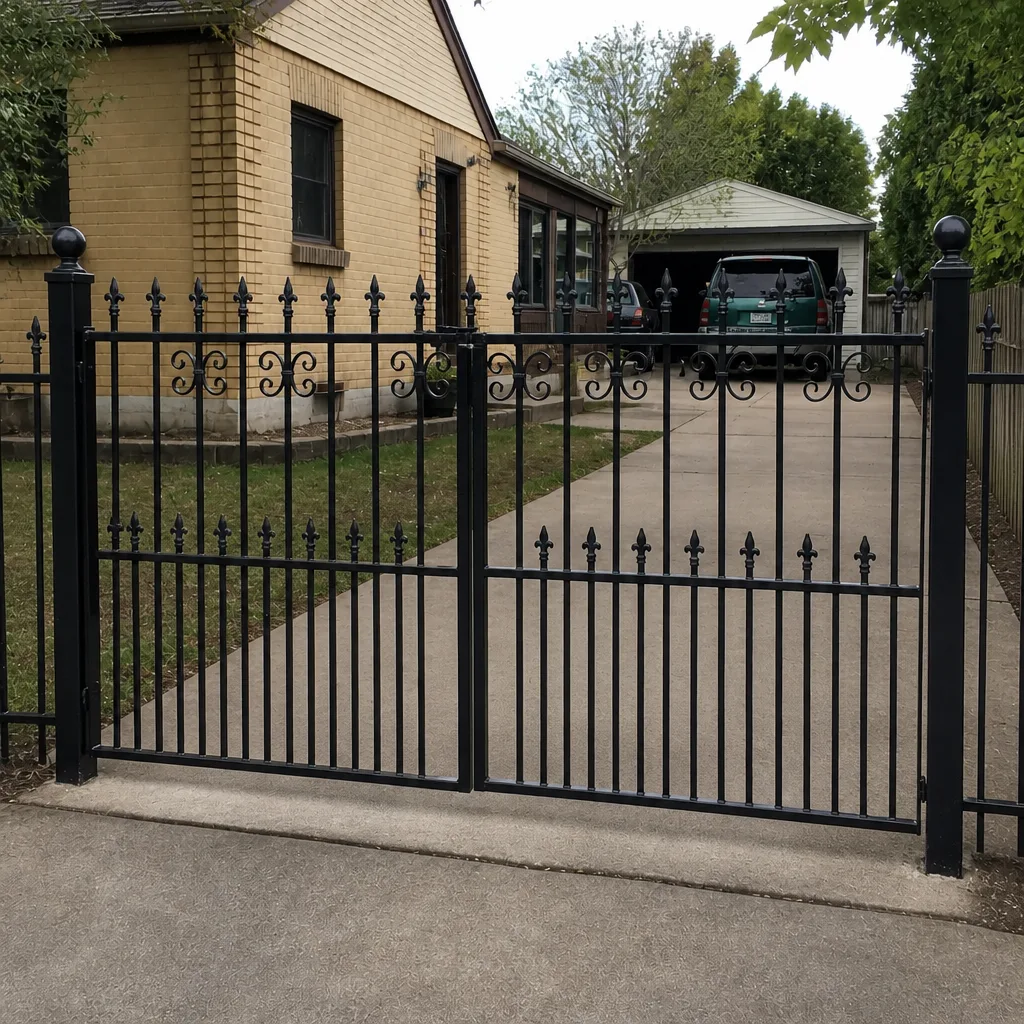 After
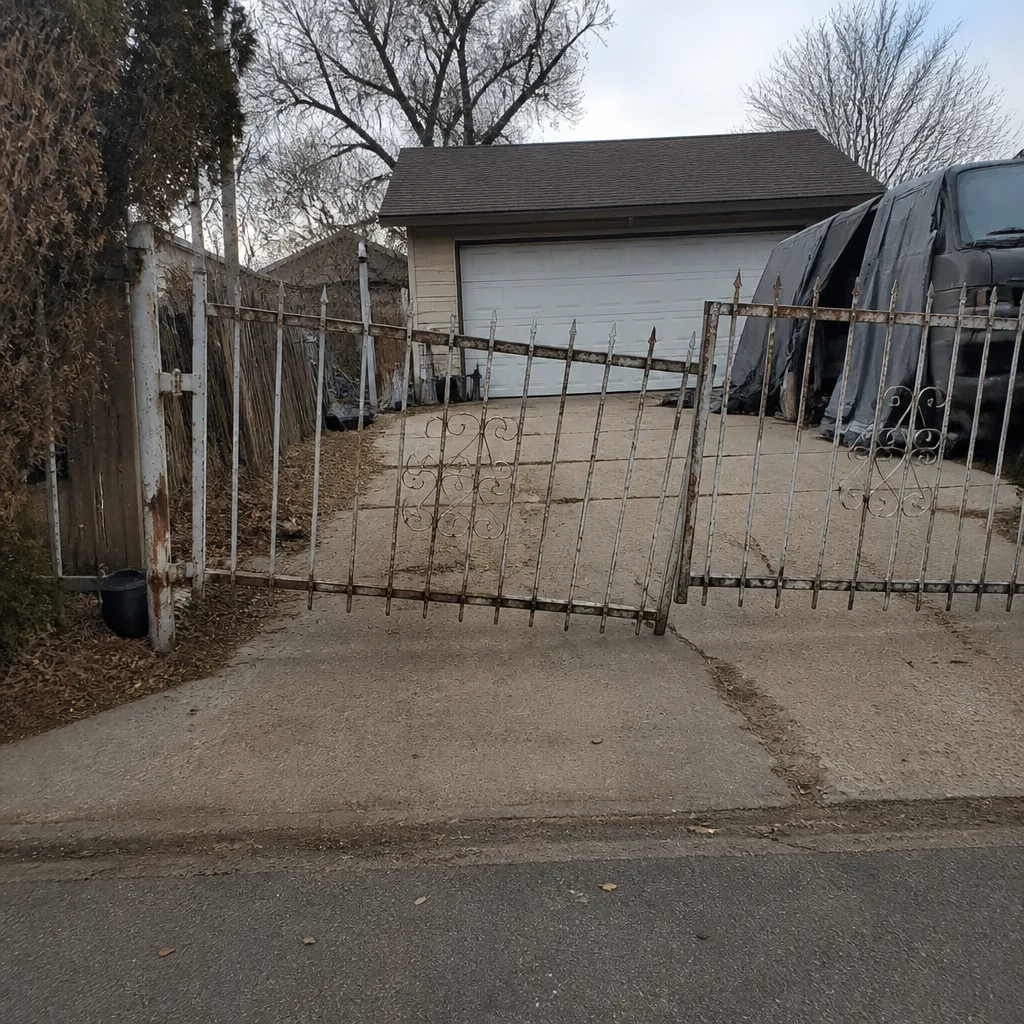 Before
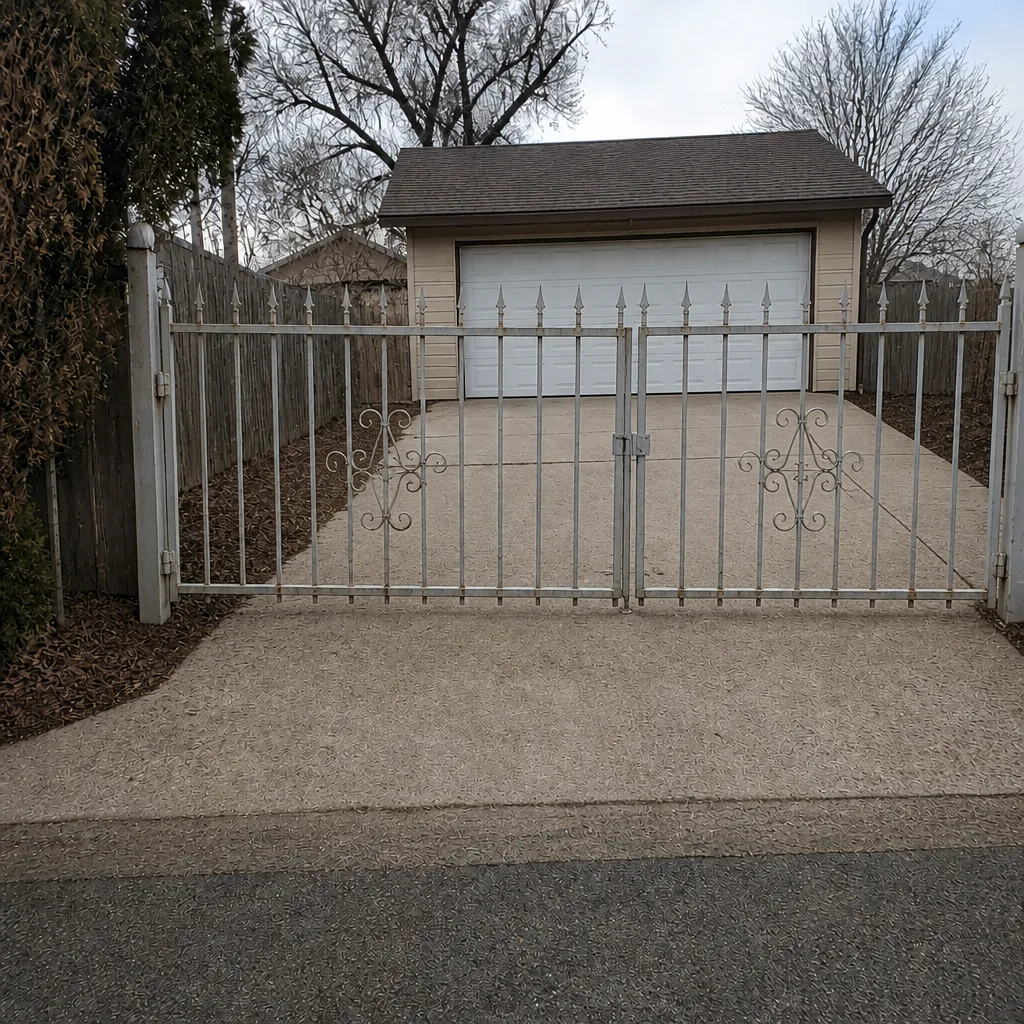 After
Frequently Asked Questions
There’s no single best brand, because the right operator depends on your gate. For most residential driveway gates, LiftMaster and Linear are reliable, well-supported choices. For heavy slide gates and multi-unit commercial entrances, FAAC, BFT, and DoorKing are the stronger fit. The correct answer starts with your gate’s weight and daily cycles, then narrows the brands. Call (877) 330-0618 for an exact quote on your system; estimates are free.
We work across the full brand spectrum, from entry-level residential operators like Mighty Mule and Ghost Controls up to commercial-grade FAAC, BFT, and DoorKing systems, along with LiftMaster, Linear, Viking, and Elite. If your brand isn’t one we name here, tell us the model when you call and we’ll confirm coverage. Call (877) 330-0618 to check your specific operator.
Gate repair is priced per job from a written estimate, so the exact number depends on the brand, the failed component, and parts availability. A board replacement on a mass-market operator is a very different repair from a commercial drive-train fix. The written estimate sets the final price, and it’s agreed before any work starts. Call (877) 330-0618 for a free estimate.
Cold weather thickens grease and stiffens seals, which raises the starting load on the motor and stresses the control board. An operator that’s under-rated for its gate struggles most when temperatures drop. A cold-weather kit helps a right-sized operator cope, but it won’t fix a duty mismatch. If your gate slows or stalls in the Aurora winter, call (877) 330-0618 and we’ll check the load and the board.
Yes. A full installation includes confirming the power at the post, mounting and aligning the operator, and installing and testing the safety edges so the gate reverses on obstruction. New installations are measured, ordered, and scheduled, so expect a free measure and a written price rather than same-day service. Call (877) 330-0618 to book a measure in Aurora.
That depends on the brand. Mass-market operators like LiftMaster and Linear usually have parts locally, so repairs move quickly. Commercial brands like FAAC, BFT, and DoorKing are generally well stocked, with occasional lead time on specialty modules. We confirm parts availability as part of the estimate so you know the timeline. Call (877) 330-0618 to get an accurate read on your repair.
The Bottom Line
Picking a gate brand for an Aurora property comes down to matching the operator to the gate, then choosing a brand that’s easy to support locally. Measure the leaf, count the cycles, check the power, and only then compare brands. LiftMaster and Linear serve most residential gates well; FAAC, BFT, and DoorKing carry the commercial load; Viking handles heavy residential duty; Ghost Controls and Mighty Mule fit light gates on a budget. Weigh parts availability and control-board cost, because they decide what the gate costs you over time. Match the spec first and the brand choice gets a lot simpler.
Aurora Gate Repair works on the full brand lineup across repair, electric gate repair, and new installation, so you don’t have to find a different company as your needs change. Call (877) 330-0618 for a free estimate. We answer 24/7. Fast dispatch from 7am to 7pm, Sunday through Friday.
Written by the team at Aurora Gate Repair.